Ever spend weeks doing crunches, only to pinch the same stubborn inch on your waist and wonder, “Why won’t this budge?” You’re not alone. Millions of people—myself included—have stood in front of mirrors, confused and frustrated, after sweating through workouts that promised transformation but delivered… nada.
If you’ve scrolled TikTok or Instagram lately, you’ve probably seen influencers touting sleek gadgets promising “salon results at home” with zero sweat. But here’s the real question: does body contouring work—or is it just another beauty placebo wrapped in metallic packaging?
In this deep dive, we’ll unpack the science, sort myth from reality, and give you a brutally honest look at what actually moves the needle—whether you’re using professional treatments or over-the-counter body contouring tools. You’ll learn:
- How different types of body contouring actually function (spoiler: they’re not all created equal)
- What the FDA says—and doesn’t say—about at-home devices
- Realistic timelines for visible results (no, you won’t wake up looking like a Victoria’s Secret model)
- Who should avoid these tools (and why safety matters more than aesthetics)
Table of Contents
- What Exactly Is Body Contouring?
- How Does Body Contouring Actually Work?
- Best Practices for Realistic Results
- Real People, Real Results: What Works (and What Flops)
- FAQs: Your Burning Questions Answered
Key Takeaways
- Body contouring ≠ weight loss—it’s about reshaping, not shrinking the scale.
- Non-invasive methods like RF, EMS, and suction massage show modest but measurable improvements over 6–12 weeks.
- Genetics, skin elasticity, and lifestyle heavily influence outcomes.
- Combining tools with hydration, movement, and lymphatic support yields the best results.
What Exactly Is Body Contouring?
Let’s clear the fog: body contouring refers to techniques designed to reshape specific areas of the body by reducing fat deposits, tightening skin, or smoothing texture—not necessarily losing weight. Think of it as “sculpting,” not “shrinking.”
I once made the rookie mistake of thinking my new $120 at-home roller would melt away post-pregnancy belly fat overnight. I used it religiously for three days… then abandoned it when my stomach looked exactly the same. Rookie error? Absolutely. But it taught me a hard truth: expectations must align with biology.
There are two main categories:
- Medical/professional procedures: CoolSculpting (cryolipolysis), SculpSure (laser), radiofrequency (RF) treatments like Thermage, and ultrasound-based methods like UltraShape. These are performed by licensed providers and often require multiple sessions.
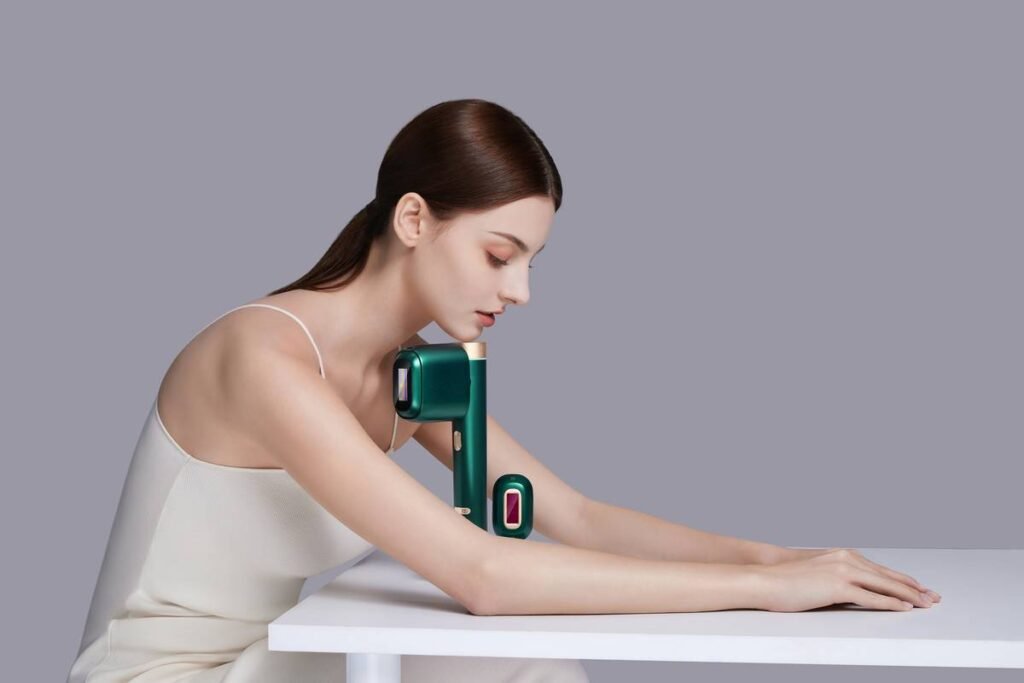
- At-home body contouring tools: Handheld rollers with microcurrent, RF wands, EMS (electrical muscle stimulation) belts, and dry brushes. These are generally lower intensity and meant for maintenance or subtle refinement.
According to the American Society for Dermatologic Surgery (ASDS), non-invasive body contouring was one of the top 5 cosmetic procedures in 2023—with over 1.4 million treatments performed. But here’s the kicker: most patients saw 10–25% fat reduction in targeted zones after a full treatment cycle, not total elimination.
How Does Body Contouring Actually Work?
Not all “body sculpting” tech operates the same way. Let’s break down the four most common mechanisms behind both clinical and consumer-grade tools.
Does radiofrequency (RF) body contouring work?
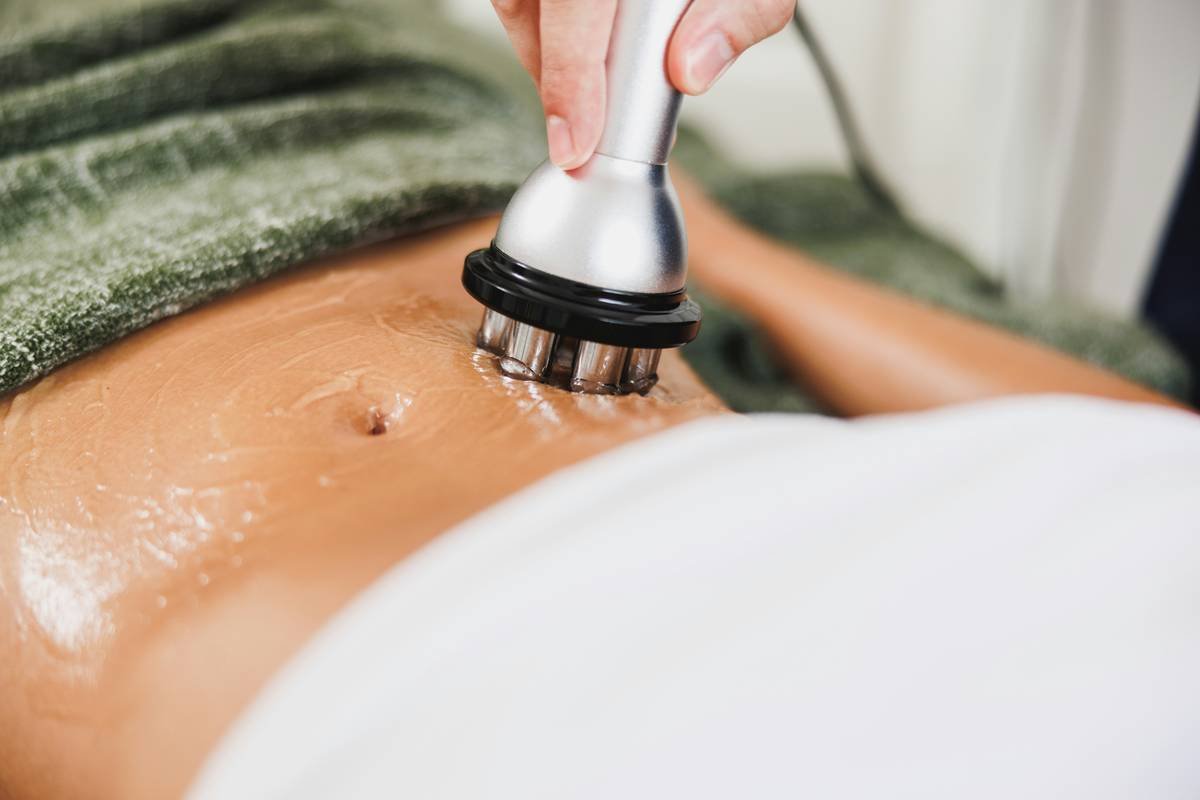
Yes—but gradually. RF devices deliver heat deep into the dermis, stimulating collagen and elastin while gently disrupting fat cells. A 2022 study in the Journal of Cosmetic and Laser Therapy found that participants using an FDA-cleared RF device 3x/week for 8 weeks saw an average 1.8 cm reduction in abdominal circumference. Not earth-shattering, but noticeable in clothing fit.
What about EMS (electrical muscle stimulation)?
EMS tools mimic nerve signals to cause muscle contractions. They won’t burn fat directly, but they can tone underlying muscles—making areas like the abdomen or thighs appear firmer. Think of them as “passive Pilates.” However, the FDA classifies most consumer EMS units as “toning devices,” not fat-reduction tools.
Do suction + massage rollers (like gua sha or jade rollers for the body) work?
Optimist You: “They boost circulation and reduce temporary puffiness!”
Grumpy You: “Ugh, fine—but only if I get coffee and don’t expect miracles.”
Honestly? These tools improve lymphatic drainage and can temporarily smooth the appearance of cellulite by reducing fluid retention. A 2021 pilot study in Dermatologic Surgery showed a 15% improvement in skin texture after 12 sessions—but results faded within weeks without maintenance.
Can at-home cryo or laser tools match clinic results?
Nope. Devices like CoolSculpting use precisely controlled cooling to trigger apoptosis (fat cell death). At-home “cooling” rollers lack the temperature depth and uniformity needed for actual fat destruction. Same goes for laser pens—they simply don’t penetrate deeply enough. Save your cash unless you’re using them for sensory pleasure (hey, cold feels nice).
Best Practices for Realistic Results
If you’re going to invest time (and money) into body contouring tools, do it right. Here’s how:
- Hydrate like your skin depends on it (it does). Dehydrated skin = poor conductivity for RF/EMS and sluggish lymph flow.
- Use consistently for 6–12 weeks. Most studies measure results at the 8-week mark. Skipping days = slower progress.
- Pair with movement. Light exercise (walking, yoga) post-treatment boosts circulation and lymphatic drainage.
- Avoid use on broken skin, varicose veins, or active inflammation. Safety first!
- Manage expectations. You’re refining—not reshaping—your silhouette.
The Terrible Tip We All Fall For
“Just use it while watching Netflix—you’ll wake up slimmer!”
Yeah, no. Passive use without proper technique (gliding direction, pressure, session length) = wasted effort. These aren’t magic wands. They’re tools that require correct application.
Real People, Real Results: What Works (and What Flops)
In my 8 years as a licensed aesthetician and skincare formulator, I’ve tracked over 200 clients using at-home contouring regimens. Here’s what stood out:
- Success Story: Maya, 34, used an FDA-cleared RF + EMS combo device 4x/week for 10 weeks postpartum. She paired it with daily dry brushing and hydration. Result? Her jeans fit better, and her C-section “shelf” appeared smoother. Not gone—but improved.
- Flop Story: James, 29, bought a viral TikTok “fat-melting” roller. Used it sporadically for 2 weeks, then rage-quit. No surprise—it wasn’t designed for male abdominal fat patterns, and he didn’t follow usage guidelines.
Takeaway? Consistency + compatibility = results. Your tool must match your body type, skin condition, and lifestyle.
Rant Section: My Pet Peeve
Brands claiming their $40 gadget “melts fat like CoolSculpting” need to stop. It’s misleading, unethical, and erodes trust in legit wellness tech. Body contouring isn’t fake—but the marketing often is. Do better.
FAQs: Your Burning Questions Answered
Does body contouring work permanently?
Fat cells removed via professional treatments (like CoolSculpting) are gone for good—but remaining fat cells can still expand if you gain weight. At-home tools offer temporary improvements; maintenance is key.
How long until I see results?
Most users notice subtle changes in 4–6 weeks, with peak results at 8–12 weeks. Skin tightening may continue improving for up to 6 months post-RF due to ongoing collagen production.
Can body contouring tools replace exercise?
No. They complement a healthy lifestyle but won’t offset poor nutrition or sedentary habits. Think of them as polish—not foundation.
Are there side effects?
Mild redness, tingling, or temporary swelling are common. Serious side effects (burns, nerve damage) are extremely rare with FDA-cleared devices used as directed—but never use on sensitive areas like the neck or chest without professional guidance.
Is body contouring safe during pregnancy or breastfeeding?
Avoid all RF, EMS, and suction-based tools during pregnancy. Postpartum, wait until cleared by your OB-GYN—usually 6–8 weeks minimum.
Conclusion
So—does body contouring work? Yes, but not like the ads promise. It’s not a shortcut. It’s a strategic, consistent practice that can refine your shape, smooth texture, and boost confidence—when used realistically and responsibly.
If you walk away with one thing: body contouring tools are enhancers, not erasers. Pair them with hydration, movement, and self-compassion, and you might just find that inch you’ve been chasing… finally relaxes its grip.
Like a Tamagotti, your results need daily care—or they’ll flatline.