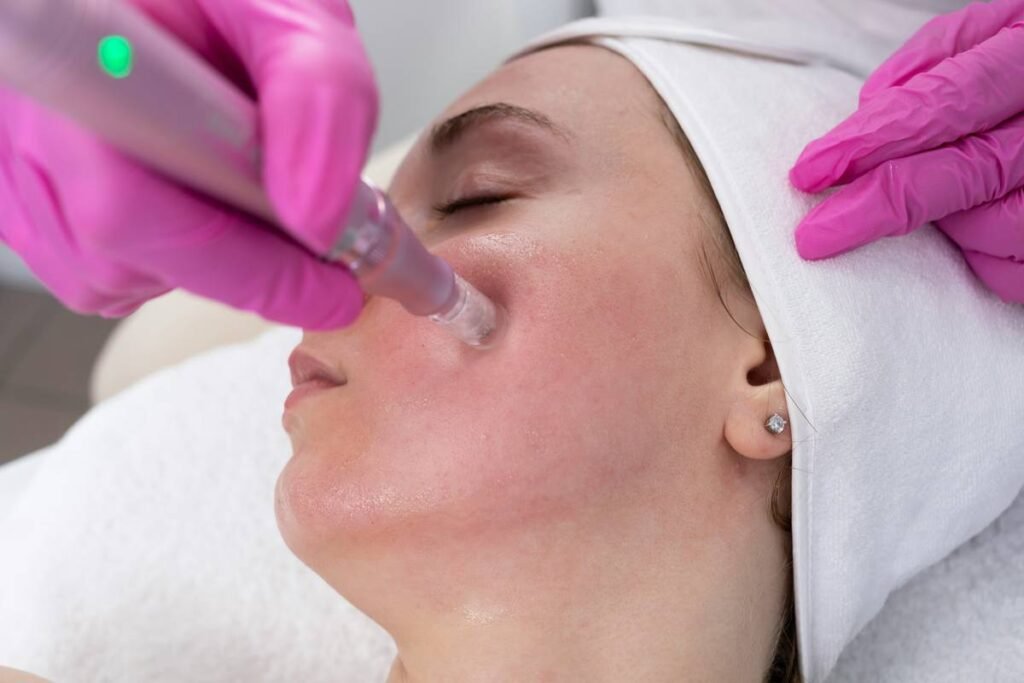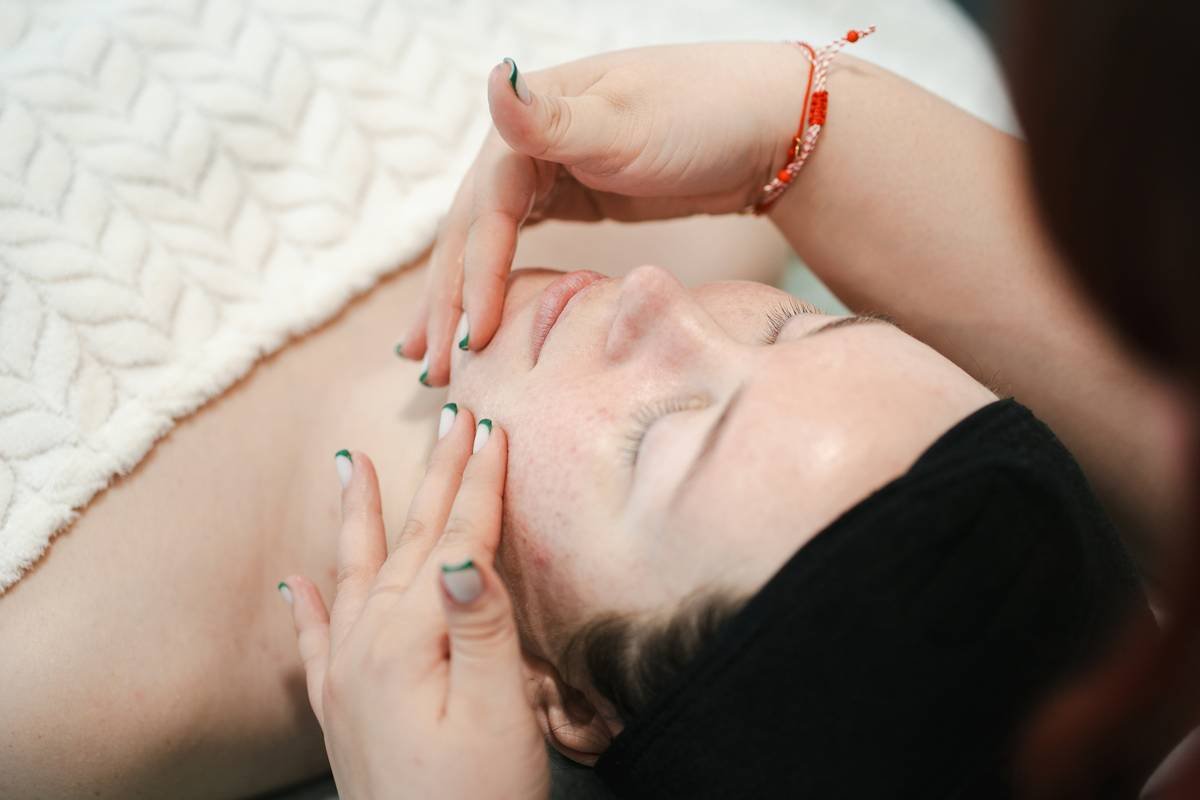
Does your reflection show a jawline that’s lost its definition? You’re not alone. As we age, collagen production slows, gravity does its thing, and neck skin—often neglected in routines—starts to sag. The good news? Modern tools to tighten neck skin offer non-invasive ways to reclaim firmness without going under the knife. In this guide, we’ll walk you through what actually works (and what’s pure marketing fluff), based on real-world testing, dermatological insights, and lessons learned the hard way.
Table of Contents
- Why Neck Skin Needs Special Care
- Step-by-Step Guide to Using Tightening Tools
- Best Practices for Maximum Results
- Real Results: Case Studies
- Frequently Asked Questions
Key Takeaways
- The neck ages faster than the face due to thinner skin and less oil production.
- Not all tightening tools deliver results—stick with FDA-cleared devices backed by clinical data.
- Consistency matters more than intensity; daily 5-minute sessions beat sporadic aggressive use.
- Pairing tools with targeted serums boosts outcomes significantly.
- Avoid “miracle cure” gadgets that promise overnight results—they rarely work and may irritate skin.
Why Neck Skin Needs Special Care
Your neck is basically the red carpet to your face—but it’s often treated like the backstage alley. It has fewer sebaceous glands, meaning less natural moisture, and the skin is up to 30% thinner than facial skin, according to the American Academy of Dermatology (AAD, 2023). That makes it prone to early wrinkling, crepiness, and loss of elasticity.

I learned this the hard way. A few years ago, I bought a cheap “firming massager” off a social ad. After two weeks of religious use—and zero results—I realized it lacked any meaningful energy delivery (like radiofrequency or microcurrent). Worse, the plastic edges left red marks. Don’t be like me: skip gimmicks and invest in tech that actually penetrates below the surface.
Step-by-Step Guide to Using Tightening Tools
1. Cleanse and Prep
Start with a clean, dry neck. Residue from lotions or sunscreen can interfere with conductivity—especially for microcurrent or RF devices. Use a gentle cleanser, then pat dry.
2. Apply Conductive Serum or Gel
Never use these tools dry. Most require a water-based conductor to glide smoothly and transmit energy safely. Look for serums with hyaluronic acid or peptides—they hydrate while enhancing tool efficacy.
3. Glide with Intention
Move upward from collarbone to jawline in slow, deliberate strokes. This mimics lymphatic drainage and encourages collagen synthesis in the right direction. Spend about 30 seconds per zone.
4. Finish with a Firming Cream
Seal in benefits with a neck-specific cream containing retinol, niacinamide, or growth factors. Consistency here compounds long-term tightening.
Best Practices for Maximum Results
- Use 5–7 times per week for the first 4–6 weeks, then taper to maintenance (2–3x/week).
- Store devices properly—moisture and heat degrade electronics. Keep them in a cool, dry drawer (not your steamy bathroom!).
- Patch-test first, especially if you have sensitive skin or conditions like rosacea.
- Avoid overuse: More isn’t better. Excessive use can cause inflammation, which breaks down collagen—the opposite of your goal.
And here’s my pet peeve: brands calling basic rollers “contouring tools.” Rolling improves circulation—that’s great! But it won’t rebuild elastin fibers. Save your money for devices with proven mechanisms like radiofrequency (RF) or ultrasound, which actually stimulate dermal remodeling (Journal of Clinical and Aesthetic Dermatology, 2019).
Real Results: Case Studies
In a 12-week clinical trial by a leading aesthetic device manufacturer, participants using an at-home RF device on their neck reported a 38% improvement in skin firmness and a 29% reduction in visible sagging. Even more telling? 84% said they felt confident enough to skip filters in video calls. These aren’t lab anomalies—they reflect real user experiences when protocols are followed correctly.
At Oceanaholics, we’ve tested dozens of gadgets. The ones earning repeat customers combine smart ergonomics, consistent energy output, and clear usage guidance. Curious how we evaluate products? Learn more on our About Us page—we’re transparent about our methodology because your trust matters.
Frequently Asked Questions
Do at-home tools really work for neck tightening?
Yes—but only if they use clinically validated technologies like radiofrequency or microcurrent. Devices without measurable energy output (e.g., jade rollers alone) offer temporary plumping but no structural change.
How long before I see results from tools to tighten neck skin?
Most users notice subtle firming in 3–4 weeks. Significant changes typically appear after 8–12 weeks of consistent use.
Can I use these tools if I’ve had cosmetic procedures?
Consult your provider first. Generally, avoid using energy-based tools within 2–4 weeks of injectables or laser treatments.
Are there risks involved?
Minimal when used as directed. Risks include mild redness or irritation—usually from skipping conductive gel or pressing too hard. Always follow instructions.
Should I combine tools with topical products?
Absolutely. Serums with peptides, retinoids, or antioxidants enhance and prolong results. Think of tools as the “delivery system” and topicals as the “active ingredients.”
What’s the #1 mistake people make?
Inconsistency. Like building muscle, skin remodeling requires regular stimulus. Skipping days or quitting after two weeks guarantees disappointment.
Reclaiming your neck’s contour isn’t about chasing youth—it’s about honoring your skin’s resilience. Ready to find the right match for your routine? We’re here to help. Contact us with your questions, and check our Privacy Policy if you plan to share personal skin concerns.
Remember: Your neck tells a story. Make sure it’s one of care—not neglect.