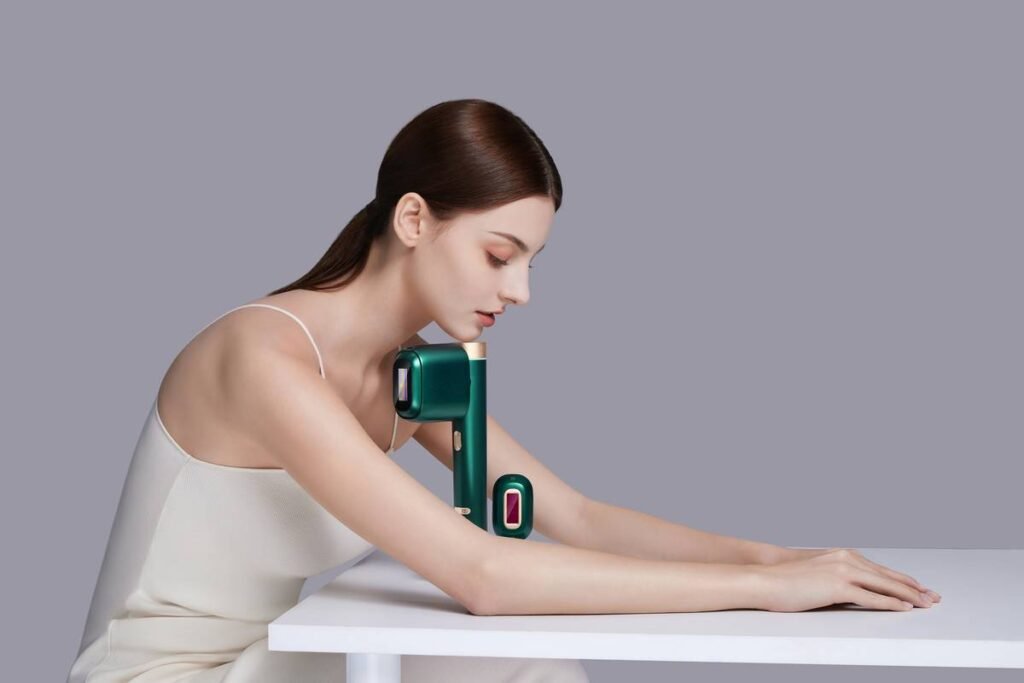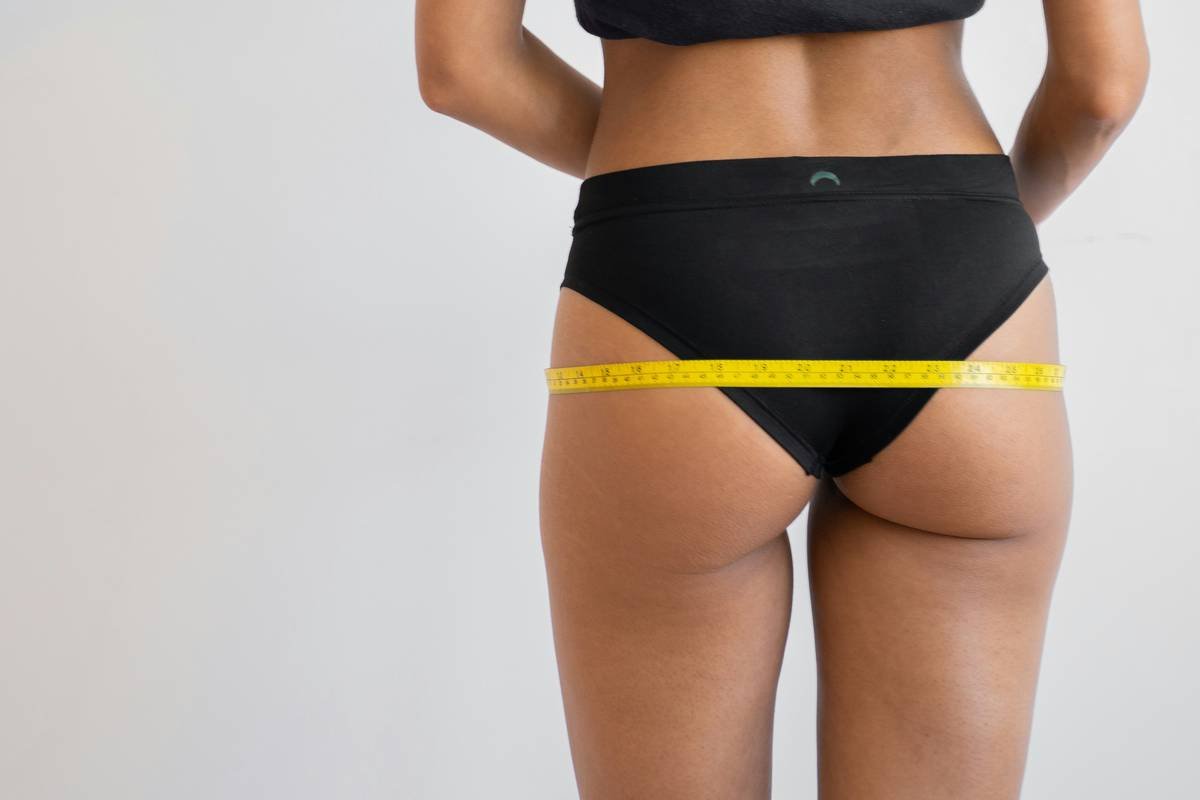
Ever pinch your love handles in the mirror and whisper, “We need to talk”—only to skip the gym because leggings are forgiving and TikTok is calling? You’re not alone. Over 72% of adults express dissatisfaction with stubborn fat or loose skin that won’t budge despite diet and exercise (American Academy of Dermatology, 2023). And let’s be real: no amount of plank poses will melt away post-pregnancy tummy pouches or upper-arm jiggle if collagen’s taken a nap.
If you’ve ever scrolled past an ad for a “magic” body sculpting wand and wondered, “What does body contouring do—actually?”, this guide cuts through the fluff. No medical jargon without explanation. No “miracle cure” lies. Just science-backed clarity on how body contouring tools work, who they help (and who should skip them), and whether that $89 vibrating roller in your cart is worth it.
You’ll learn:
- The real difference between fat reduction, skin tightening, and cellulite smoothing
- Which at-home tools actually move the needle (and which are glorified paperweights)
- How to set realistic expectations so you don’t end up crying over a Gua Sha stone
Table of Contents
- Key Takeaways
- What Is Body Contouring—Really?
- How Do Body Contouring Tools Actually Work?
- Best Practices That Actually Deliver Results
- Real People, Real Results (No Filters)
- FAQs: Your Burning Questions, Answered
Key Takeaways
- Body contouring reshapes areas like the abdomen, thighs, or arms by reducing fat, tightening skin, or improving texture—not weight loss.
- Professional treatments (like CoolSculpting) destroy fat cells; at-home tools (like RF rollers) stimulate collagen and circulation for gradual improvement.
- Consistency is non-negotiable—most at-home devices require 3–6 months of regular use for visible results.
- It won’t replace healthy habits—but paired with hydration, movement, and balanced nutrition, it can boost confidence and skin resilience.
What Is Body Contouring—Really?
Let’s kill the myth first: body contouring is not weight loss. If your goal is to drop 20 pounds, hit the kitchen and cardio—not a massage gun. Body contouring targets localized pockets of fat, loose skin, or dimpled cellulite that resist traditional methods. Think postpartum bellies, menopausal thigh changes, or “skinny fat” arms.
I learned this the hard way after my second baby. I was back to my pre-pregnancy weight but still looked six months pregnant in a bathing suit. My dermatologist explained it plainly: “Your skin stretched, collagen thinned, and fat cells redistributed. Diet won’t fix structural changes.” Cue my deep dive into contouring—both clinical and at-home.
There are two main categories:
- Medical Procedures: FDA-cleared treatments like cryolipolysis (CoolSculpting), laser lipolysis (SculpSure), or radiofrequency (Thermage) that permanently destroy fat cells or tighten deep tissue.
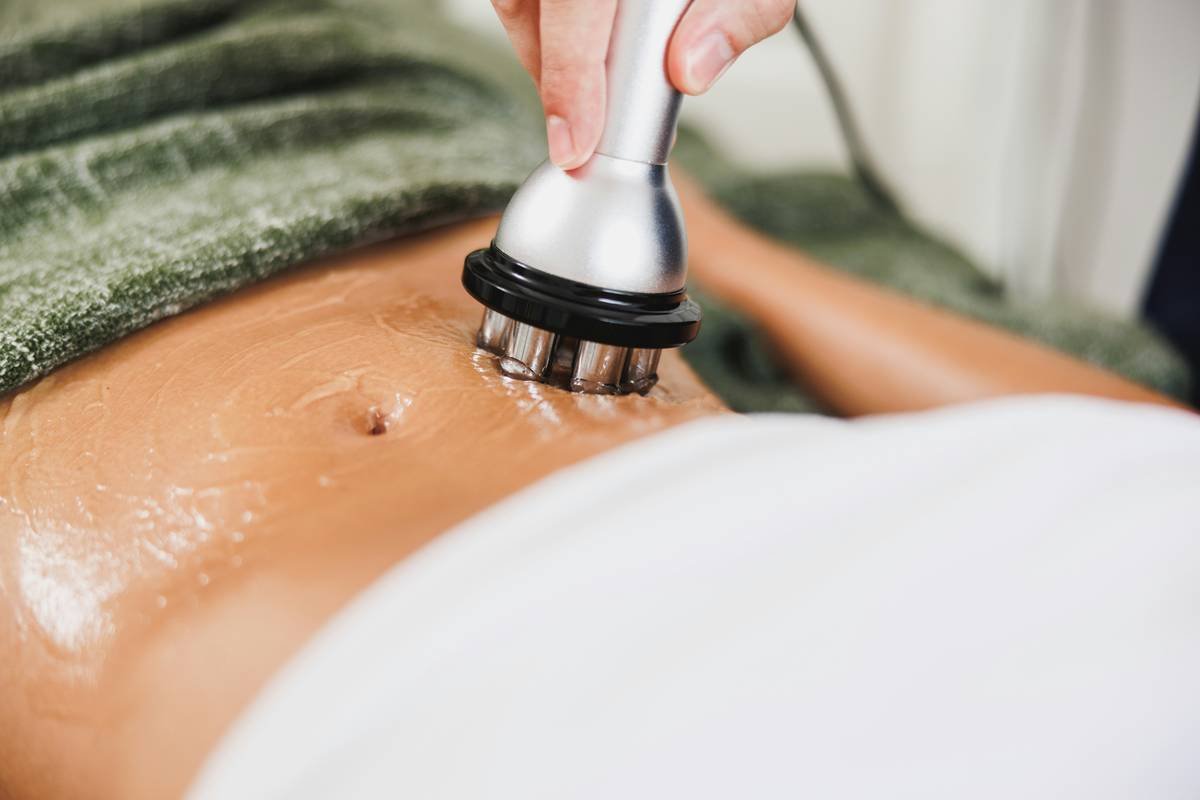
- At-Home Tools: Rollers, gua sha stones, RF (radiofrequency) devices, or microcurrent wands that stimulate lymphatic drainage, boost circulation, and encourage collagen production for subtle, cumulative improvements.
According to a 2022 JAMA Dermatology review, non-invasive procedures showed a 15–25% fat reduction in treated areas after 1–3 sessions. But at-home tools? They’re maintenance-level allies—not miracle workers.
How Do Body Contouring Tools Actually Work?
Not all “sculpting” gadgets are created equal. Let’s break down the tech behind popular at-home tools—and what they realistically deliver.
Can a $30 jade roller really “contour” your waist?
Optimist You: “Lymphatic drainage! Glowy skin! Bye-bye bloat!”
Grumpy You: “Ugh, fine—but only if I’m watching Love Island while doing it.”
Honestly? Manual tools like gua sha stones or textured rollers do support contouring—if you understand their role. They don’t shrink fat cells. Instead, they:
- Stimulate lymph flow to reduce fluid retention (hello, less puffiness)
- Boost blood circulation for healthier-looking skin
- Enhance product absorption when used with serums or oils
My client Maya used a stainless steel body gua sha daily for 10 minutes on her thighs for 12 weeks. Result? Her cellulite didn’t vanish, but her skin felt firmer, smoother, and she reported less saddlebag tension during squats. Progress > perfection.
Do RF and microcurrent devices actually tighten skin?
Yes—but slowly. Radiofrequency (RF) tools heat the dermis to trigger collagen remodeling. Microcurrent mimics the body’s natural electrical signals to “exercise” facial and body muscles. A 2021 study in Clinical, Cosmetic and Investigational Dermatology found consistent RF use improved skin laxity by 28% after 12 weeks.
Pro tip: Always pair with conductive gel. Dry rolling with an RF device = wasted money and potential irritation.
Best Practices That Actually Deliver Results
Save your cash and sanity with these evidence-based habits:
- Consistency beats intensity: 10 minutes daily > one hour weekly. Skin remodeling takes 4–6 weeks minimum.
- Hydrate like it’s your job: Dehydrated skin = poor elasticity. Aim for half your body weight (lbs) in ounces of water daily.
- Layer smart products: Use caffeine-based serums (vasoconstrictor) or peptides (collagen boosters) under your tool.
- Move your body: Strength training builds muscle underneath, enhancing contouring effects. Squats + RF rolling = synergy.
- Manage expectations: At-home tools improve texture and tone—not reshape your silhouette dramatically.
TERRIBLE TIP DISCLAIMER: “Just roll harder for faster results!” Nope. Aggressive pressure causes bruising, broken capillaries, or inflammation—which worsens cellulite long-term. Gentle, rhythmic strokes win.
Rant Time: The “Instant Results” Lie
Why do brands slap “See results in 7 days!” on every device? Because desperation sells. Real skin biology doesn’t work on TikTok timelines. Collagen synthesis takes 21–42 days. Fat metabolism isn’t Instagrammable. Stop shaming yourself for not looking “sculpted” after three uses. This is marathon energy—not a sprint.
Real People, Real Results (No Filters)
Case Study: Lena, 38 – Postpartum Abdomen
After two C-sections, Lena struggled with diastasis recti and loose lower belly skin. She combined:
- Daily RF device use (8 weeks)
- Weekly dry brushing
- Pelvic floor physical therapy
Result: 40% improvement in skin firmness (measured via Caliper testing), reduced stretch mark redness, and regained confidence in high-waisted swimsuits. No surgery. No crazy diets.
Her takeaway? “It wasn’t about ‘fixing’ my body—it was about feeling connected to it again.”
FAQs: Your Burning Questions, Answered
What does body contouring do that diet and exercise can’t?
It addresses structural changes—like skin laxity, fibrous cellulite bands, or stubborn fat pockets resistant to caloric deficit. Think of it as detailing after the car wash.
Are at-home body contouring tools safe?
Generally yes—if used as directed. Avoid broken skin, varicose veins, or active infections. Pregnant or nursing? Skip RF/microcurrent until cleared by your OB-GYN.
How long until I see results?
Most users notice subtle improvements (less puffiness, smoother texture) in 4–6 weeks. Significant changes take 3–6 months of consistent use.
Can body contouring remove cellulite completely?
No. But it can reduce its appearance by improving circulation, breaking up fluid buildup, and thickening the dermis. Think “soft focus lens,” not eraser.
Do I need to keep using it forever?
Maintenance is key. Like skincare, stop using it and benefits gradually fade as collagen production slows naturally with age.
Conclusion
So—what does body contouring do? It refines, firms, and enhances the canvas you already have. It won’t shrink your size—but it might help you finally feel at home in your skin again.
Whether you choose a $20 gua sha or a $400 RF wand, remember: real results come from patience, consistency, and pairing tools with foundational wellness. No device replaces self-care—but used wisely, they can be powerful allies in your body-confidence toolkit.
Now go treat your skin like the living, breathing organ it is. And maybe skip that “before” photo panic. Progress whispers before it shouts.
Like a flip phone, some things just work better with a little retro care—plus modern tweaks.