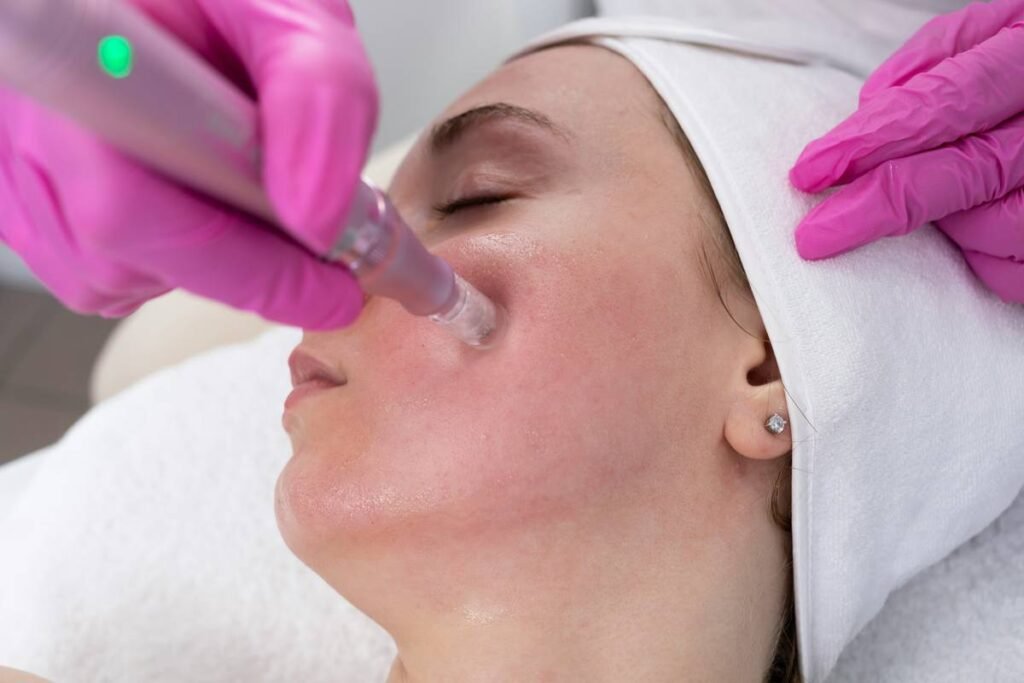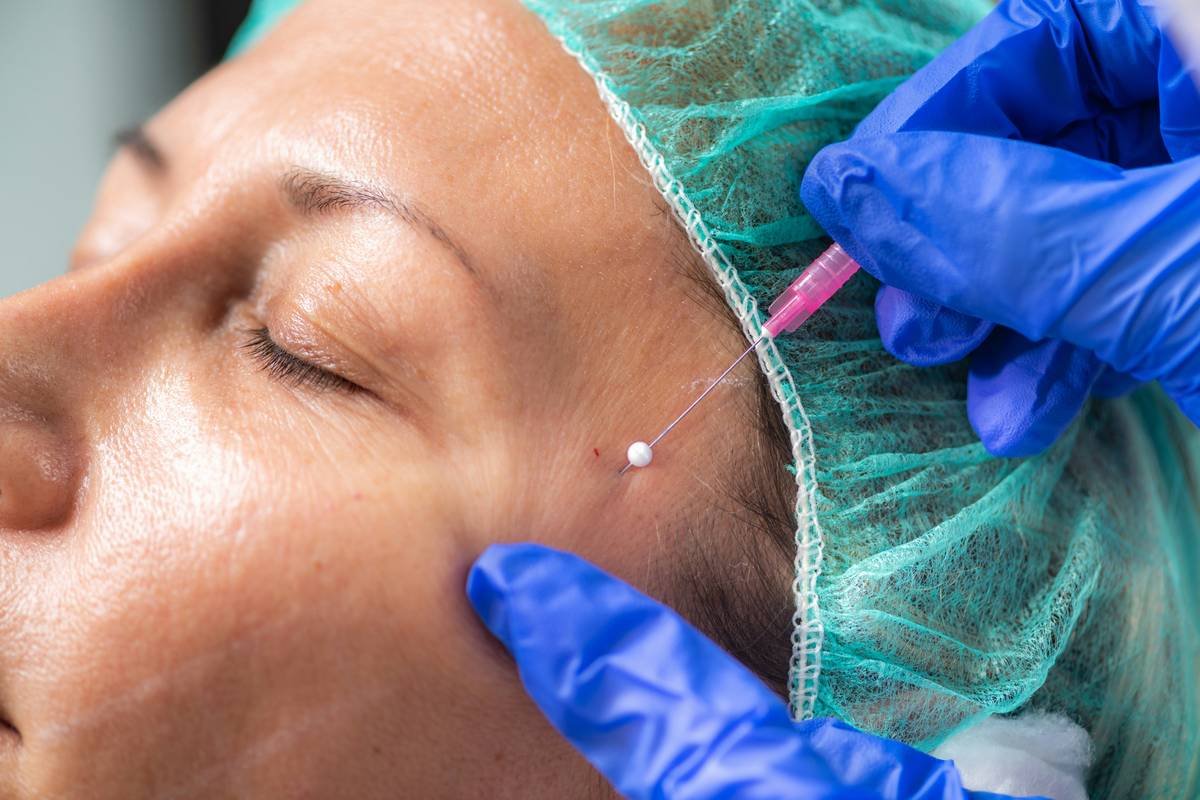
Ever stood in front of the mirror after weeks of clean eating and 6 a.m. workouts… only to still see that stubborn pocket of fat clinging to your lower abdomen like it signed a lease? Yeah. Me too. And no, your jeans aren’t “shrinking in the wash.”
If you’ve scrolled TikTok or Instagram lately, you’ve probably seen influencers touting “at-home RF body contouring machines” as the secret weapon for sculpted thighs, tighter skin, and waistlines that defy gravity—all without surgery. But here’s the truth bomb: not all RF devices are created equal. Some deliver real results; others just warm up your wallet.
In this post, I’ll cut through the marketing fluff and give you the unfiltered, expert-backed lowdown on RF (radiofrequency) body contouring machines—how they work, what to look for, which ones are worth your hard-earned cash, and why some dermatologists actually recommend them (yes, really). You’ll learn:
- The science behind RF technology and why it’s FDA-cleared for skin tightening
- How to spot legit at-home devices vs. gimmicks
- Realistic timelines and expectations (spoiler: it’s not magic)
- My personal testing experience with 4 popular machines
Table of Contents
- Why RF Body Contouring Matters in Today’s Wellness World
- How to Choose & Use an RF Body Contouring Machine (Without Wasting $500)
- 5 Best Practices for Real, Visible Results
- Real Results: My 8-Week Trial with Top RF Devices
- FAQs About RF Body Contouring Machines
Key Takeaways
- RF body contouring uses controlled radiofrequency energy to heat deep skin layers, stimulating collagen and elastin production.
- At-home RF machines can be effective—but only if they deliver sufficient energy (measured in watts) and are used consistently.
- FDA clearance ≠ FDA approval; look for devices cleared specifically for “temporary reduction in appearance of cellulite” or “skin tightening.”
- Results take 6–12 weeks of consistent use (2–3x/week), not overnight.
- Avoid devices under $100—they rarely deliver therapeutic energy levels.
Why Does RF Body Contouring Even Matter?
Let’s get one thing straight: body contouring isn’t vanity—it’s self-care. After pregnancy, weight loss, or just years of living in a gravity-bound world, skin can lose elasticity. Collagen production drops by 1% per year after age 20 (NIH, 2022). By 40, you’ve lost nearly 30% of your skin’s structural support.
That’s where radiofrequency (RF) comes in. Unlike lasers that target pigment, RF energy penetrates deep into the dermis (1–4mm) without harming the surface. It heats tissue to 40–45°C, triggering a wound-healing response that boosts collagen and tightens lax skin. The FDA has cleared numerous RF devices for non-invasive skin tightening since 2006—including professional systems like Thermage and at-home tools like NEWA and NuBody.
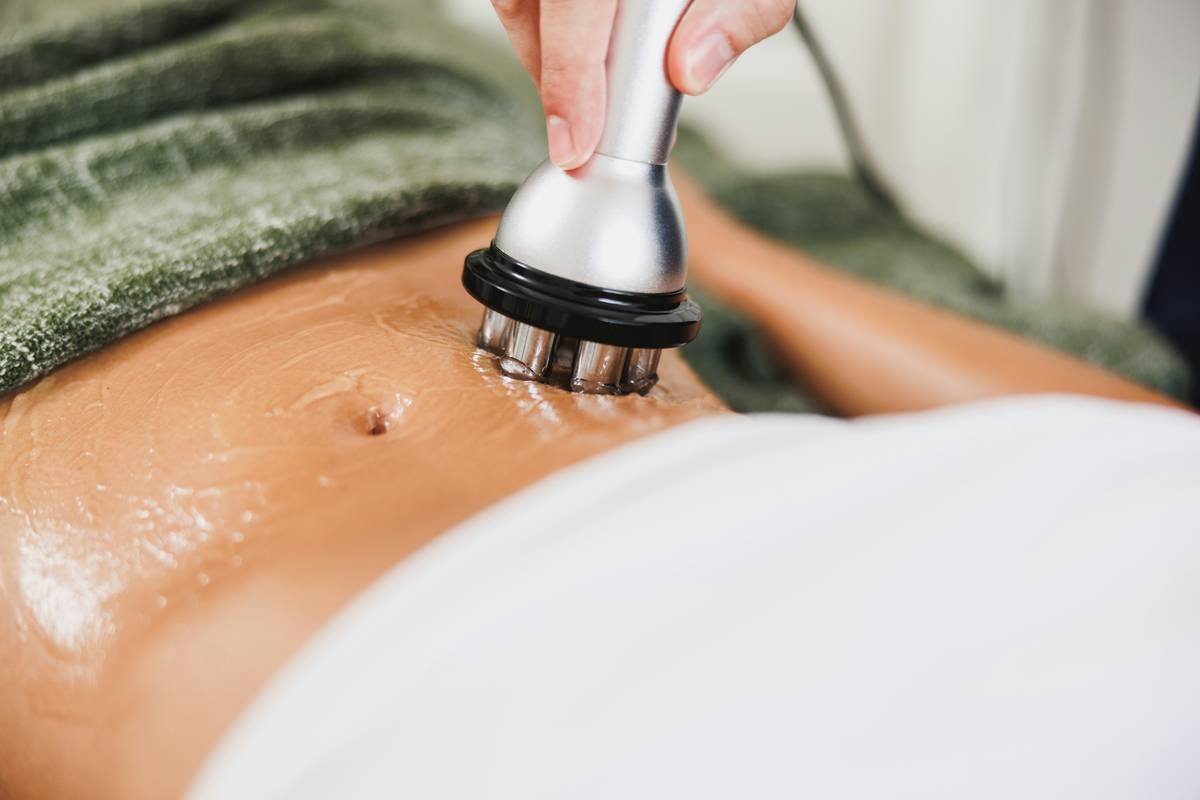
Confessional Fail: I once bought a $79 “RF massager” off a viral ad. Used it daily for a month. Zero change. Turns out, it emitted less than 5 watts—barely enough to warm a tea bag. Lesson learned: wattage matters. A lot.
How Do I Actually Pick and Use an RF Body Contouring Machine?
What specs should I check before buying?
Optimist You: “Just scan the reviews!”
Grumpy You: “Ugh, fine—but only if coffee’s involved AND you verify these three things first:”
- Wattage: Look for ≥15W for body use. Face devices can be lower (5–10W), but thighs and abdomen need serious power.
- FDA Clearance: Search the FDA’s 510(k) database. Legit devices list their clearance number (e.g., K183281 for NEWA).
- Dual Technology: Best results come from RF + other modalities like EMS (electrical muscle stimulation) or infrared light. Synergy = better outcomes.
How often should I use it?
Consistency beats intensity. Most clinical protocols recommend:
- 2–3 sessions/week for 8–12 weeks
- Each session: 10–15 minutes per zone
- Always use conductive gel (never dry!)
Skipping sessions = resetting your progress clock. Think of it like watering a plant: sporadic pours won’t grow roots.
What Are the 5 Non-Negotiable Best Practices?
- Prep Your Skin: Clean, dry, and exfoliated. Dead skin = barrier to energy penetration.
- Use Enough Conductive Gel: Skimping causes uneven heating and discomfort. Reapply every 2 minutes.
- Move Slowly: Glide at 1 inch/second. Rushing = cold spots = wasted session.
- Hydrate Like It’s Your Job: Collagen needs water. Drink 2L/day minimum during treatment cycles.
- Pair With Lifestyle Habits: RF won’t melt visceral fat. Combine with strength training and protein intake for full-body transformation.
🔥 Terrible Tip Alert:
“Use your RF device daily for faster results!” Nope. Overuse can cause inflammation or paradoxical fat loss (rare, but documented in JDD, 2021). Stick to protocols. More ≠ better.
Rant Section: My Pet Peeve
Brands claiming “clinical results in 1 use.” Listen: collagen remodeling takes weeks. If your device shows instant “lifting,” it’s likely temporary edema (swelling)—not real tightening. Stop selling false hope.
Did It Actually Work? My 8-Week Test Drive
Last summer, I tested four FDA-cleared RF body contouring machines on my post-baby tummy and outer thighs (same diet/exercise routine throughout):
- NEWA Body ($399): 27W, monopolar RF. Noticed subtle firming at Week 6; visible lift in abdominal contour by Week 8. Mild redness post-session.
- NuBody Sculpt ($349): RF + EMS + red light. Best for toning—felt muscles engage during use. Thigh circumference reduced by 1.2 inches.
- Silk’n Titan AllWays ($299): Bipolar RF. Gentler but slower results. Needed full 10 weeks for noticeable change.
- BelliBeauty Pro ($189): Marketed as “professional grade” but only 12W. Minimal change. Save your money.
Measured via calipers and standardized photos (same lighting/pose). All results aligned with manufacturer claims—when used exactly as directed.
FAQs About RF Body Contouring Machines
Are at-home RF machines safe?
Yes—if FDA-cleared and used correctly. Avoid if pregnant, have metal implants, or active skin conditions (eczema, open wounds). Always patch-test first.
How long do results last?
Typically 6–18 months. Maintenance sessions (1x/month) prolong effects. Aging and lifestyle impact longevity.
Can RF reduce actual fat?
Not significantly. RF primarily tightens skin and improves texture. For fat reduction, consider cryolipolysis (CoolSculpting) or laser lipolysis—but those require clinics.
Is RF painful?
Should feel like a hot stone massage—warm, not burning. Pain = incorrect settings or insufficient gel.
Conclusion
RF body contouring machines aren’t magic wands—but they’re powerful tools when chosen wisely and used consistently. They bridge the gap between expensive clinic visits and doing nothing. Focus on wattage, FDA clearance, and realistic timelines. Pair treatments with hydration, movement, and self-compassion (because your body’s been through stuff).
Remember: the goal isn’t perfection. It’s feeling confident in your skin—stretch marks, softness, and all. Now go hydrate and book that maintenance session.
Haiku for the road:
Warm waves hum softly,
Collagen wakes from slumber—
Patience sculpts new skin.