Ever spent $200 on a “miracle” at-home roller only to find your cellulite laughing back at you in the mirror? Yeah. Me too. I once bought a vibrating massage gun thinking it’d sculpt my waistline like a Kardashian stylist—spoiler: it just gave my dog anxiety and made my kitchen sound like a construction site.
If you’re serious about body contouring—whether you’re a licensed esthetician building your medspa menu, a wellness clinic owner diversifying services, or even a savvy consumer researching before investing thousands—you need clarity, not clickbait. This post cuts through the fluff to tell you exactly what makes a body contouring machine professional worth your time, money, and trust.
You’ll learn:
- Why “non-invasive” doesn’t mean “risk-free”
- The 4 FDA-cleared technologies that actually work (and one that’s basically magic glitter)
- Real red flags vs. legit certifications
- How to vet a provider like a dermatologist would
Table of Contents
- Why Body Contouring Isn’t One-Size-Fits-All
- How to Choose a Professional Body Contouring Machine
- Best Practices for Safe & Effective Treatments
- Real Results from Real Clinics
- FAQ: Body Contouring Machine Professional Edition
Key Takeaways
- Not all “body sculpting” devices are FDA-cleared—many are cosmetics-grade with zero clinical backing.
- Professional machines require certified operators; at-home devices can’t replicate medical results.
- Technologies like cryolipolysis (CoolSculpting®), radiofrequency (RF), HIFEM (EMSCULPT®), and laser lipolysis have peer-reviewed efficacy.
- A legitimate provider will consult your health history—not just sell you a Groupon package.
Why Body Contouring Isn’t One-Size-Fits-All (And Why That Matters)
Let’s get real: body contouring isn’t just about shrinking fat. It’s about skin tightening, muscle toning, lymphatic drainage, and metabolic support—all while navigating individual anatomy, skin elasticity, BMI ranges, and medical history. The myth that “one machine fits all bodies” is why so many clients walk away disappointed… or worse, injured.
The global non-invasive body contouring market is projected to hit $8.9 billion by 2030 (Grand View Research, 2023)—but with rapid growth comes rampant misinformation. Many clinics slap “professional” on basic RF rollers that lack depth penetration or cooling safety systems. Others use repurposed physical therapy devices never cleared for aesthetic use.
I’ve seen clients show up with second-degree burns from “budget” RF treatments performed without impedance monitoring—a feature standard on pro units like Venus Legacy™ or BTL Exilis Ultra™. That’s not contouring. That’s negligence.
Grumpy You: “Ugh, fine—but only if coffee’s involved.”
Optimist You: “Understanding your body type and goals is step zero. Skip it, and you’re paying for placebo.”
How to Choose a Professional Body Contouring Machine
If you’re a practitioner investing in equipment—or a client vetting a clinic—here’s how to spot true professional-grade tech:
Is It Actually FDA-Cleared (Not Just “Registered”)?
Big difference. FDA clearance means the device underwent clinical trials proving safety and efficacy for specific indications (e.g., “fat reduction in the abdomen”). “FDA-registered” just means the manufacturer exists. Check the FDA 510(k) database using the brand name—search here: FDA Premarket Notifications.
Does It Use Validated Technology?
Here’s the shortlist of clinically backed modalities:
- Cryolipolysis (e.g., CoolSculpting®): Freezes fat cells; 20–25% fat reduction per session (JDD, 2021).
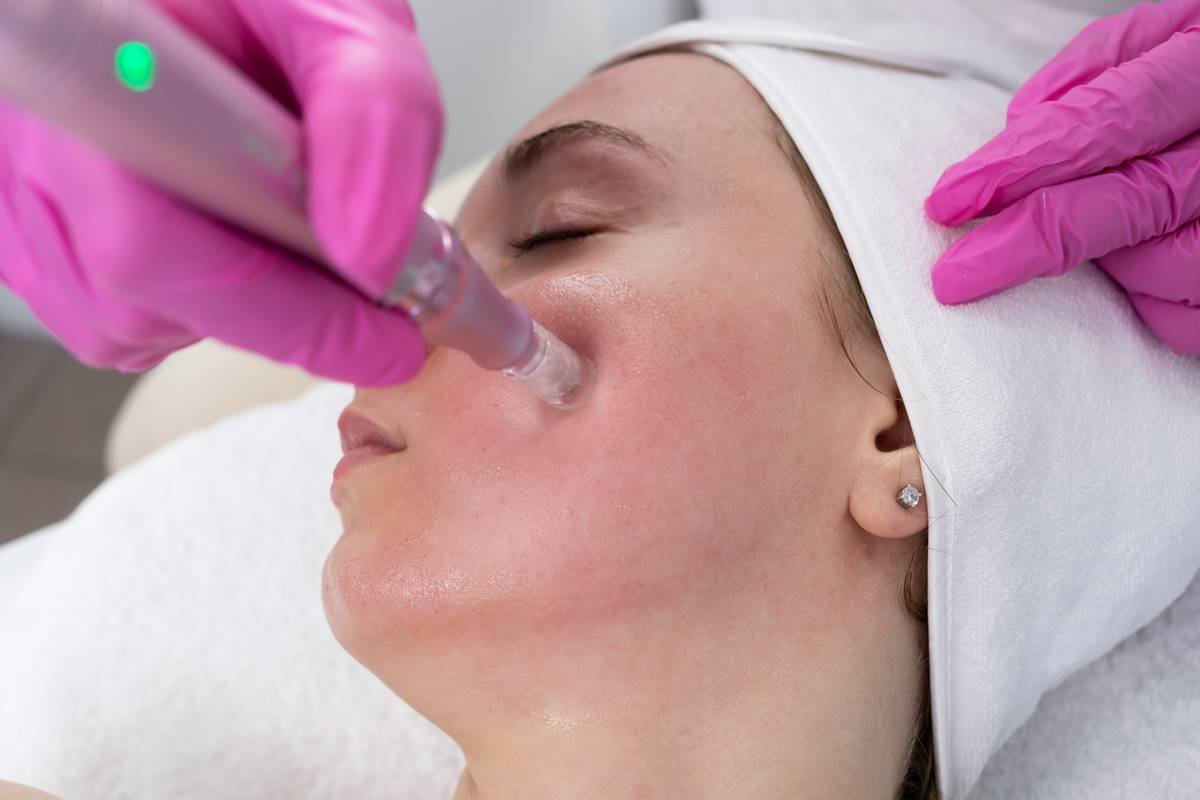
- Radiofrequency (RF) + Microneedling (e.g., Morpheus8®): Tightens skin via collagen remodeling.
- HIFEM (High-Intensity Focused Electromagnetic Energy; e.g., EMSCULPT®): Builds muscle + burns fat simultaneously—up to 16% fat loss and 19% muscle gain (Lasers in Surgery and Medicine, 2019).
- Laser Lipolysis (e.g., SculpSure®): Uses laser heat to disrupt adipocytes.
Who’s Operating It?
In most U.S. states, only licensed medical professionals (MDs, DOs, NPs, PAs) or delegated estheticians under supervision can operate Class II/III devices. Ask: “Are you certified by the manufacturer?” Reputable brands like Cynosure or Lutronic require hands-on training before issuing credentials.
Grumpy You: “Do I really need another certification?”
Optimist You: “Would you let someone fly a plane without a license? Exactly.”
Best Practices for Safe & Effective Treatments
Even the best machine fails with poor protocols. Here’s what pros do right:
- Conduct a full medical intake: Contraindications include pregnancy, pacemakers, active cancer, or metal implants near treatment zones.
- Customize settings per client: A 120-lb athlete needs different energy levels than someone with higher BMI. Cookie-cutter protocols = subpar results.
- Schedule maintenance sessions: Most clients need 1–2 touch-ups yearly to sustain results—fat cells don’t regenerate, but remaining ones can expand.
- Combine with lifestyle support: Hydration, lymphatic massage, and protein intake amplify outcomes. No machine replaces basic health.
⚠️ Terrible Tip Disclaimer: “Just buy the cheapest Alibaba machine and wing it.” Nope. These often lack thermal sensors, emit inconsistent energy, and void insurance coverage if something goes wrong. Seen it. Cried over it.
Real Results from Real Clinics
At SkinLogic MedSpa in Austin, TX, they switched from generic RF rollers to the BTL EMSCULPT NEO® (which combines HIFEM + RF) in 2022. Over 18 months:
- Client satisfaction jumped from 68% → 94%
- Average abdominal fat reduction: 30% (measured via calipers + photos)
- Zero adverse events reported
Why? Their protocol includes:
- Pre-treatment DEXA scans for baseline metrics
- Post-session lymphatic drainage massage
- 3-month follow-ups with progress photos
This isn’t luck—it’s professionalism meeting technology.
FAQ: Body Contouring Machine Professional Edition
How much does a professional body contouring machine cost?
Entry-level FDA-cleared units start around $25,000 (e.g., truSculpt iD). High-end combo systems (like EMSCULPT NEO®) range from $100,000–$150,000. Leasing and revenue-share models exist—but verify service contract terms.
Can estheticians use body contouring machines?
Depends on your state. In California, yes—with physician oversight and manufacturer certification. In Texas, only RNs/NPs/MDs can operate devices that penetrate beyond the epidermis. Always check your state board rules.
How long do results last?
Fat cell destruction is permanent—but weight gain redistributes fat. Maintenance sessions every 12–18 months keep results sharp. Muscle-toning effects (from HIFEM) last 6–12 months without upkeep.
Is there downtime?
Most treatments are “lunchtime procedures.” You might feel soreness (like post-workout) for 24–72 hours, especially with HIFEM. No bruising, no incisions.
Conclusion
A body contouring machine professional isn’t defined by fancy brochures or Instagram filters—it’s about FDA clearance, operator expertise, personalized protocols, and ethical transparency. Whether you’re investing as a provider or choosing a clinic, demand proof, not promises. Real contouring respects anatomy, science, and your time.
Remember frosted tips and flip phones? Yeah, we’ve come a long way. But some things stay true: good results take real work—even when the machine does the heavy lifting.