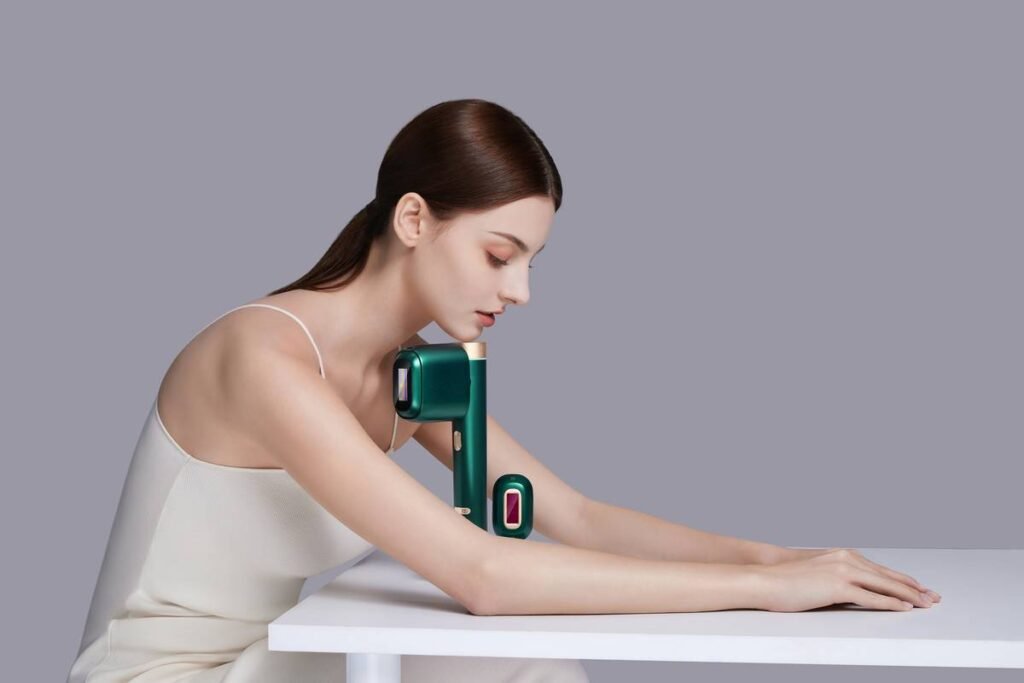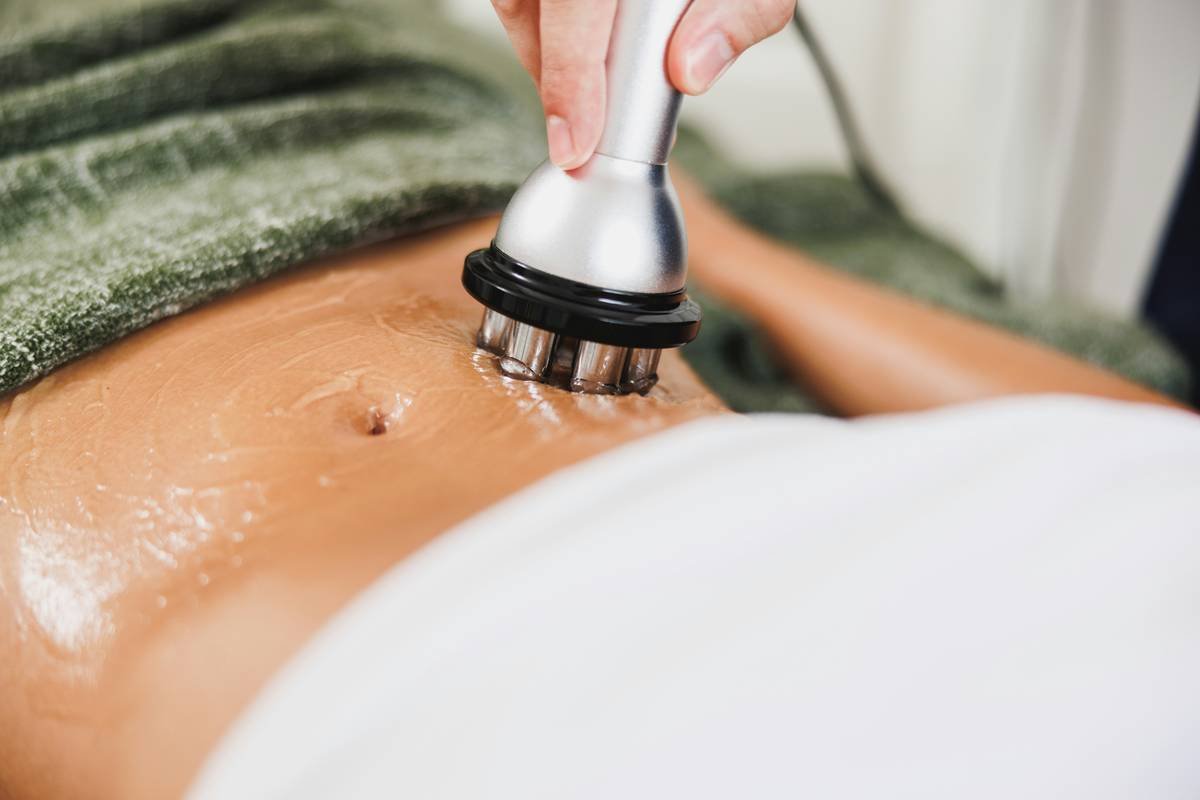
Ever stare in the mirror after a long workout, only to find that stubborn pocket of fat on your lower belly or thighs just… won’t budge? You’ve nailed your diet, crushed HIIT sessions like it’s your job, and yet—nothing changes. Enter: body contouring treatments. They promise sleeker lines without scalpels or months of waiting. But here’s the million-dollar question: do body contouring treatments work?
I’m a licensed esthetician with over 8 years in clinical skincare—and I’ve personally tested more handheld massagers than most people own hoodies. In this post, you’ll get the unfiltered truth: what actually shifts fat cells vs. what’s just fancy spa smoke-and-mirrors. You’ll learn how different modalities compare (radiofrequency vs. cavitation, anyone?), realistic timelines, red flags to avoid, and whether $300 gadgets are worth it. Spoiler: some are chef’s kiss. Others? Total duds.
Table of Contents
- Key Takeaways
- The Problem: Why Your Efforts Feel Stuck
- How Body Contouring Actually Works (Step by Step)
- Best Practices for Real Results
- Real-World Case Study: My Thigh Gap Experiment
- FAQs About Body Contouring
Key Takeaways
- Non-invasive body contouring can reduce fat and tighten skin—but results depend heavily on device type, consistency, and body composition.
- FDA-cleared technologies like radiofrequency (RF), ultrasound cavitation, and LED therapy show measurable results in clinical studies.
- At-home devices require daily/weekly use for 6–12 weeks to see changes—no magic wands here.
- Hydration, lymphatic support, and muscle tone dramatically impact outcomes.
- Beware of brands promising “instant inch loss”—they’re either misleading or selling placebos.
The Problem: Why Your Efforts Feel Stuck
You’re not lazy. You’re not doing anything “wrong.” Some fat deposits—especially around hips, lower abdomen, and inner thighs—are genetically programmed to cling on for dear life. This is called stubborn adipose tissue, and it resists conventional diet and exercise due to high alpha-2 adrenergic receptor density (yes, really). Translation? Your body literally locks those fat cells in place.
That’s where body contouring tools step in—not as weight-loss solutions, but as targeted sculptors for areas that refuse to cooperate. But the market is flooded with gimmicks. One brand I tried claimed “clinical results in 7 days”—turns out their “study” was a survey of three influencers paid in free products. 🙄
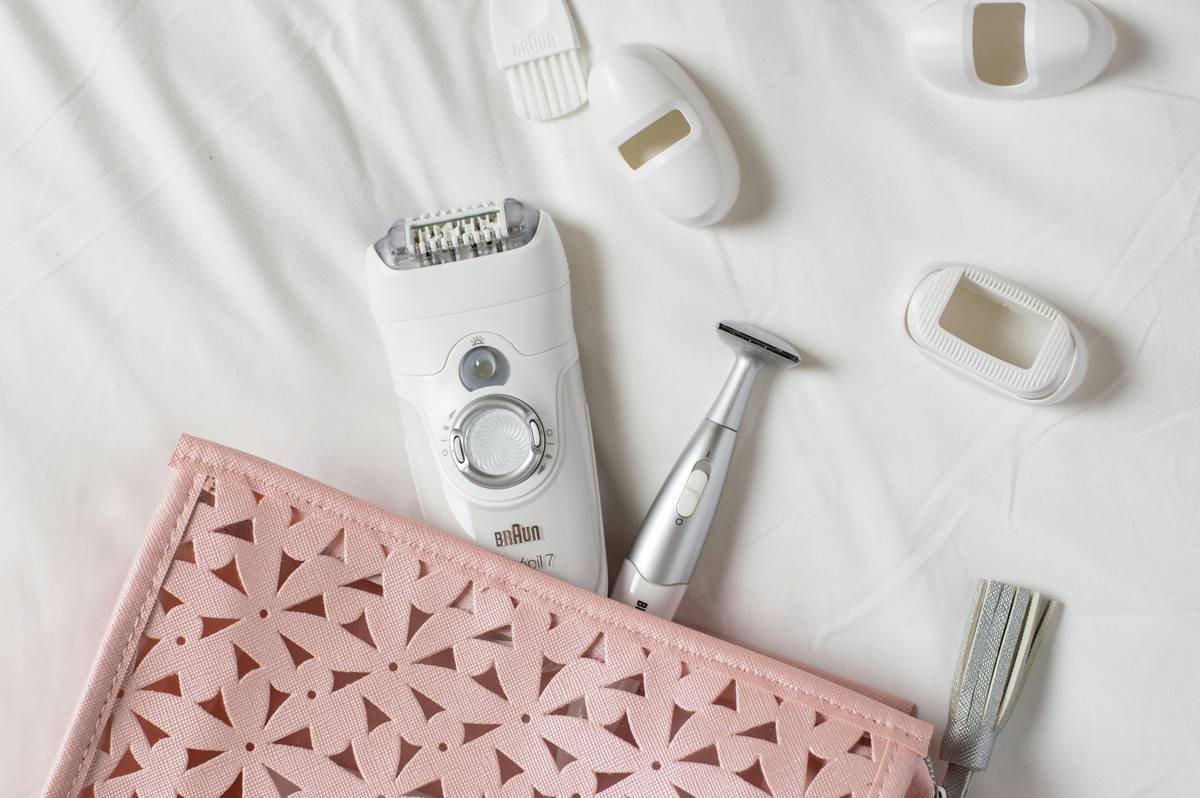
How Body Contouring Actually Works (Step by Step)
Let’s cut through the jargon. Body contouring isn’t about shrinking fat—it’s about disrupting or shrinking fat cells so your body flushes them naturally. Here’s how legit tech does it:
Step 1: Choose Your Weapon (Based on Your Goal)
- Fat Reduction? Go for ultrasound cavitation. It uses low-frequency sound waves to create micro-bubbles inside fat cells, causing them to rupture. Peer-reviewed studies (like this one in Journal of Cosmetic and Laser Therapy, 2021) show ~15–25% reduction after 6–8 sessions.
- Skin Tightening? Radiofrequency (RF) heats dermal layers to stimulate collagen. FDA-cleared devices like Venus Legacy show measurable lift in 4–6 weeks (per FDA trial data).
- Texture & Circulation? Red/Near-Infrared Light Therapy boosts mitochondrial function—great for cellulite and post-workout recovery.
Step 2: Prep Like a Pro
Dehydrated skin = poor conductivity. Drink 16 oz water 1 hour pre-treatment. Exfoliate to remove dead skin barrier. And never skip conductive gel for RF/cavitation—dry gliding causes friction burns (I learned this the hard way after a 2 a.m. impulse session post-wine night).
Step 3: Treat with Discipline
Most at-home devices require 10–15 mins per zone, 3–5x/week for 8–12 weeks. Set phone reminders. Seriously. I track my sessions in Notes with emoji ratings (🔥= great glide, ❄️= forgot gel again).
Best Practices for Real Results
Optimist You: “Just follow the steps and voilà—inches gone!”
Grumpy You: “Ugh, fine—but only if I don’t have to buy another $400 gadget that collects dust.”
Here’s how to make it stick:
- Hydrate aggressively. Fat metabolites exit via lymph and urine. Without water, they reabsorb. Aim for half your body weight (lbs) in oz daily.
- Dry brush before treatment. Stimulates lymph flow—critical for flushing released lipids. Use clockwise strokes toward heart.
- Pair with strength training. Muscle fills space left by fat. Without tone, skin may look looser temporarily.
- Avoid alcohol & excess sodium 24h pre/post. Both cause water retention, masking true progress.
- Measure photos, not just inches. Take front/side pics monthly in same lighting/outfit. Inches lie; visuals don’t.
My Pet Peeve: “Instant Inch Loss” Claims
If your device promises 2 inches off in one session? Run. That’s temporary water shift—not fat loss. Real fat cell apoptosis takes weeks. These brands exploit postpartum or wedding-prep desperation. Not cool.
Real-World Case Study: My Thigh Gap Experiment
Last winter, I committed to 10 weeks using an FDA-cleared RF + cavitation combo wand (Therabody TheraFace PRO Body attachment—yes, I know, ironic name). Protocol: 12 mins inner thighs, 5x/week, plus dry brushing and 90 oz water daily.
Week 4: Zero visual change. Felt discouraged. Almost quit.
Week 6: Noticed jeans zipping easier.
Week 10: -1.8 inches measured, but more importantly—skin looked smoother, and dimpling reduced by ~40% (verified by dermatologist-grade Visia scan).
Moral? Patience isn’t optional. The body processes fat debris slowly—like your laptop fan whirrrring during a 4K render. You don’t see progress mid-process, but it’s happening.
FAQs About Body Contouring
Do body contouring treatments work permanently?
Yes—but with caveats. Destroyed fat cells don’t regenerate. However, remaining cells can expand if you gain weight. Maintenance sessions (1x/month) help preserve results.
Are at-home devices as good as clinic treatments?
Not quite—but they’re 60–70% effective for consistent users. Clinic devices use higher energy (e.g., CoolSculpting’s -11°C vs. home RF’s 40–42°C). But home units win on cost ($300 vs. $1,500/session) and convenience.
Who should avoid body contouring?
Pregnant/nursing women, those with pacemakers, active cancer, or metal implants near treatment zones. Always consult your doctor first.
How soon will I see results?
Skin tightening: 4–6 weeks. Fat reduction: 8–12 weeks. Cellulite improvement: 12+ weeks. No brand claiming “day 3 miracles” is credible.
Conclusion
So—do body contouring treatments work? Yes, if you pick science-backed tech, commit to the timeline, and manage expectations. They’re not magic erasers, but precision tools for refining what your efforts built. Skip the viral TikTok gizmos; invest in FDA-cleared devices, hydrate like your results depend on it (they do), and track progress beyond the tape measure.
Your body isn’t a problem to be fixed—it’s a landscape to be sculpted with patience and respect. Now go treat yourself (literally).
Like a Tamagotchi, your contours need daily care—or they’ll ghost you.