You’ve scrolled past countless before-and-after photos—tighter waistlines, sharper jawlines—all promising effortless transformation. But when you try it yourself? Nothing sticks. Frustration builds. You blame your body. Truth is, basic contouring for beginners fails not because of you—but because most advice skips the foundational mechanics and sells magic instead of movement.
Why Standard “Beginner” Contouring Advice Sets You Up to Fail
The internet loves one-size-fits-all routines. Do 100 crunches. Use a jade roller daily. Drink celery juice. Cute. But biology doesn’t work that way. Your fascia—the connective tissue wrapping every muscle—isn’t activated by surface-level rolling or wishful thinking. And spot reduction? Still a myth, no matter how many influencers claim otherwise.
Most beginners jump straight to tools without understanding tension patterns. You end up tugging skin in directions that create micro-inflammation—not lift. Worse, you train your nervous system to hold stress in those very areas you’re trying to reshape.
Basic Contouring for Beginners: A No-BS Step-by-Step Method
Forget quick fixes. This protocol prioritizes neuromuscular re-education over brute force. It’s about teaching your body to hold new shapes—not punishing it into temporary compliance.
Step 1: Map Your Tension Hotspots
Stand barefoot. Notice where your weight sits. Heels? Toes? One hip higher? These imbalances dictate where fat pools and skin sags. Use a handheld mirror or phone to photograph your posture from all angles. Compare left vs. right. Front vs. back.
Step 2: Prep With Dry Brushing (Not Just For Exfoliation)
Dry brushing isn’t about sloughing dead cells—it’s lymphatic priming. Use firm boar bristles. Start at your feet, brush upward in short strokes toward your heart. Spend extra time on cellulite-prone zones (thighs, glutes). Do this 3x/week before showering. You’re not “scrubbing”—you’re signaling fluid movement.
Step 3: Choose Your Tool Based on Goal—Not Hype
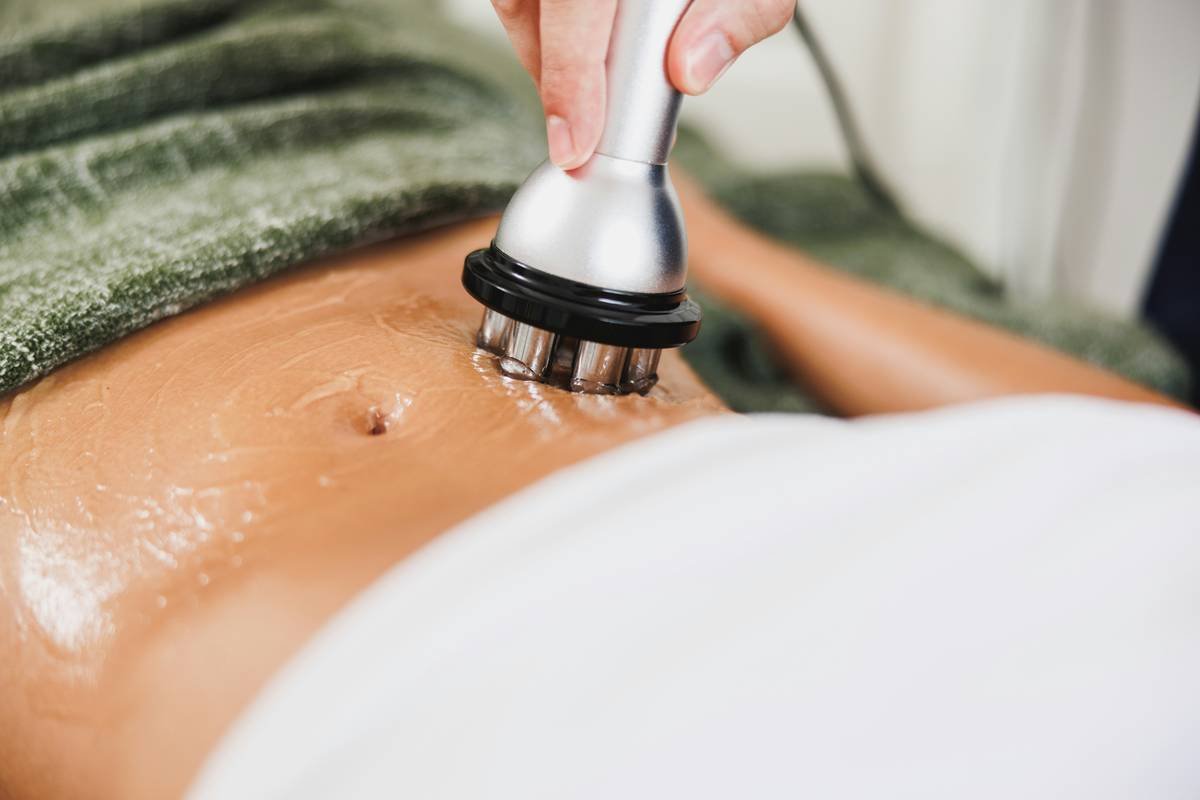
Not all rollers are equal. Gua sha stones? Great for facial tension, weak for torso reshaping. Vacuum cups? Effective but risky if used incorrectly. Below is a realistic breakdown:
| Tool Type | Best For | Beginner-Friendly? | Avg. Cost | Time Commitment |
|---|---|---|---|---|
| Fascia Blaster | Breaking fibrous adhesions in thighs/arms | No—requires precise pressure control | $70–$120 | 8–10 mins/day |
| Contour Roller (with vibration) | Smooth glide + mild lymphatic boost | Yes—ideal entry point | $30–$60 | 5–7 mins/day |
| Silicone Suction Cups | Lifting stubborn lower abdomen | Moderate—start with low suction | $20–$40 | 6–8 mins/day |
| Manual Gua Sha Board | Posture realignment (back, shoulders) | Yes—with guided video | $15–$35 | 4–5 mins/day |
Step 4: Move After—Don’t Skip This
Never contour in isolation. Follow tool use with dynamic movement: cat-cow stretches, pelvic tilts, or walking lunges. Why? Because mechanical input only “sticks” when paired with neuromuscular output. Otherwise, you’re just rearranging water under the skin—temporarily.

The Industry Secret: Contouring Works Best When It’s Invisible
Here’s what brands won’t tell you: the most effective home contouring happens during mundane moments. Brushing your teeth? Engage your transverse abdominis. Waiting for coffee? Do seated spinal twists. Watching TV? Roll your feet on a lacrosse ball to reset your kinetic chain. Consistency beats intensity. And integration beats ritual. The body responds to frequency—not fanfare. Think about it: 90 seconds of mindful engagement, five times a day, compounds faster than one brutal weekly session you resent.
FAQ
How long until I see results with basic contouring for beginners?
Visible changes typically appear in 3–6 weeks—but only if combined with hydration, sleep, and movement. Skin texture improves first; fat redistribution follows.
Can I contour without buying tools?
Yes. Your hands + a tennis ball + consistent breathwork can activate fascial release. Tools amplify—but don’t replace—awareness.
Is daily contouring safe?
Only if you respect your tissue’s tolerance. Redness is normal. Bruising isn’t. Start 3x/week. Listen to stinging versus soothing feedback.