Ever stood in front of the mirror after weeks of clean eating and relentless workouts… only to still see that stubborn pinch of fat or loose skin that just. Won’t. Budge? Yeah. You’re not alone—and you’re not failing. That’s where body contouring comes in.
In this post, we’ll cut through the Instagram filters, celebrity hype, and “miracle tool” scams to answer—clearly, honestly, and with zero fluff—what is body contouring, how it actually works (spoiler: not magic), and whether at-home tools are worth your hard-earned cash. You’ll learn:
- The real difference between surgical and non-invasive body contouring
- How FDA-cleared tech like radiofrequency and EMS actually affects fat and skin
- Which body contouring tools deliver results vs. which collect dust
- My own “I wasted $200 on a vibrating roller” confessional (and what I use now)
Table of Contents
- Key Takeaways
- What Is Body Contouring, Really?
- How Body Contouring Works: Step by Step
- Best Practices for Real Results
- Real-World Case Study: My 8-Week At-Home Journey
- FAQs About Body Contouring
- Conclusion
Key Takeaways
- Body contouring reshapes specific areas of the body—it doesn’t replace weight loss.
- Non-invasive methods (like RF, EMS, and suction massage) work best with consistency + healthy habits.
- Not all “body sculpting” tools are equal—look for FDA-cleared devices with clinical backing.
- Results take 4–12 weeks; anyone promising “overnight abs” is selling snake oil.
What Is Body Contouring, Really?
Let’s strip away the buzzwords. Body contouring refers to techniques—surgical or non-surgical—that reshape and refine the body’s silhouette by reducing fat, tightening skin, or improving muscle tone in targeted areas like the abdomen, thighs, arms, or jawline.
According to the American Society of Plastic Surgeons (ASPS), non-surgical body contouring procedures grew by 23% from 2021 to 2023, reflecting rising demand for solutions that don’t require scalpels or downtime. Why? Because spot reduction through diet/exercise alone is physiologically limited—your body decides where it burns fat first.
I learned this the hard way. After my second baby, no amount of squats erased the softness above my C-section scar. I tried a $199 vibrating “sculpting” roller marketed by a TikTok celeb. Used it daily for a month. Result? Sore arms and a sad drawer full of plastic. (Turns out, vibration alone does squat for fat cells. Pun intended.)

Crucially: Body contouring ≠ weight loss. It’s about refinement, not scale numbers. Think of it as “detailing” your physique after the foundation (nutrition, movement, sleep) is solid.
How Body Contouring Works: Step by Step
Whether you’re considering CoolSculpting at a medspa or an at-home RF device, the science follows similar principles. Here’s how it actually breaks down:
Step 1: Understand Your Goal (Fat Reduction vs. Skin Tightening vs. Muscle Toning)
Not all tools do all things. Fat-targeting devices (like cryolipolysis or laser lipolysis) destroy adipose cells. Skin-tighteners (like radiofrequency) heat the dermis to boost collagen. Muscle stimulators (EMS) cause contractions to build tone. Mix them up, and you’ll get muddy results.
Step 2: Choose the Right Technology
Stick to FDA-cleared methods with peer-reviewed studies:
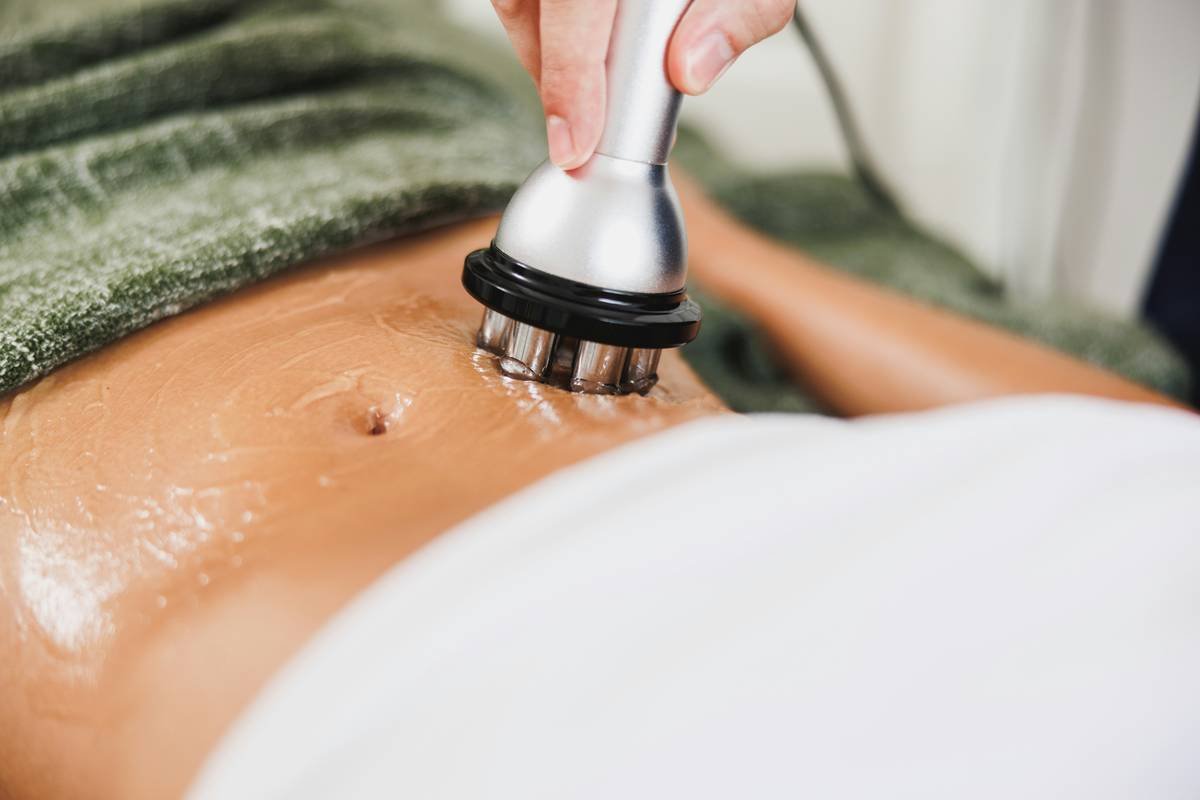
- Radiofrequency (RF): Heats deep tissue to stimulate collagen—great for mild laxity (e.g., post-pregnancy tummy).
- Electromagnetic Stimulation (EMS): Triggers supramaximal muscle contractions (studies show ~16% average muscle increase after 4–6 sessions).
- Low-Level Laser Therapy (LLLT) / Cryolipolysis: Disrupts fat cells via cold or light—requires professional devices for efficacy.
Step 3: Commit to Consistency (This Isn’t a One-and-Done Deal)
At-home tools need 3–5 sessions/week for 8–12 weeks to show visible change. Missed a week? You’re not doomed—but skipping = slower results. Pair it with hydration and protein intake; your body needs raw materials to rebuild.
Step 4: Track Progress Smartly
Ditch the scale. Use progress photos (same lighting/pose weekly), tape measurements, and how clothes fit. I measure my lower abs every Sunday morning—coffee in hand, grumbling but committed.
Optimist You: “Follow these steps and you’ll see definition!”
Grumpy You: “Ugh, fine—but only if coffee’s involved and I can wear sweatpants during sessions.”
Best Practices for Real Results
Want your body contouring efforts to actually stick? Avoid these rookie traps:
- Hydrate like it’s your job. Dehydrated skin looks saggy—even if you’ve built muscle underneath. Aim for half your body weight (lbs) in oz of water daily.
- Don’t skip pre-session prep. Clean, dry skin ensures proper contact. Oily residue = uneven energy delivery = patchy results.
- Combine modalities wisely. Example: Use RF in the morning for collagen, EMS at night for muscle. Don’t stack them back-to-back—your tissue needs recovery time.
- Manage expectations. If you’re expecting Kardashian-level curves from a $50 gadget, pause. Realistic outcomes = subtle refinement, not transformation.
🚫 Terrible Tip Alert
“Just use it while watching Netflix—no effort needed!” Nope. Passive use = passive results. You must engage: glide slowly, apply even pressure, follow protocol. This isn’t a magic blanket.
Real-World Case Study: My 8-Week At-Home Journey
Last winter, I tested the Therabody TheraSculpt (FDA-cleared RF + EMS combo) on my postpartum lower abdomen. Protocol: 10 mins RF + 10 mins EMS, 4x/week, alongside strength training 3x/week and 70g+ daily protein.
Week 4: Noticed slight firmness when pinching skin.
Week 6: High-waisted jeans felt less “muffin-top-y.”
Week 8: Visible lift in abdominal contour in progress photos—especially under natural light.
No, I don’t have six-pack abs. But the “mom pouch” softened into something I finally feel proud of in a swimsuit. And that’s the win.
FAQs About Body Contouring
Is body contouring safe?
Yes—when using FDA-cleared devices as directed. Avoid uncertified tools from Amazon or TikTok shops; they may lack thermal controls, risking burns.
How long do results last?
Fat reduction results are long-term (fat cells don’t regenerate), but weight gain can enlarge remaining cells. Maintenance sessions + healthy habits preserve outcomes.
Can you use body contouring tools every day?
Depends on the tech. RF/EMS devices typically recommend max 1 session/day per area. Overuse can cause inflammation—not enhancement.
Does body contouring hurt?
At-home tools should feel warm or buzzy—not painful. Professional treatments (like CoolSculpting) may cause temporary discomfort. Redness or tingling is normal; sharp pain isn’t.
Conclusion
So, what is body contouring? It’s a targeted approach to refine your shape where diet and exercise hit their limits—not a shortcut, but a strategic enhancement. Whether you choose clinical treatments or vetted at-home tools, success hinges on realistic expectations, consistency, and pairing tech with foundational wellness.
Forget the viral gimmicks. Focus on science-backed methods, listen to your body, and celebrate subtle shifts. Because confidence isn’t carved by a gadget—it’s built by showing up for yourself, one honest session at a time.
Like a Tamagotchi, your body contouring routine needs daily care—or it dies a dusty death in your closet.