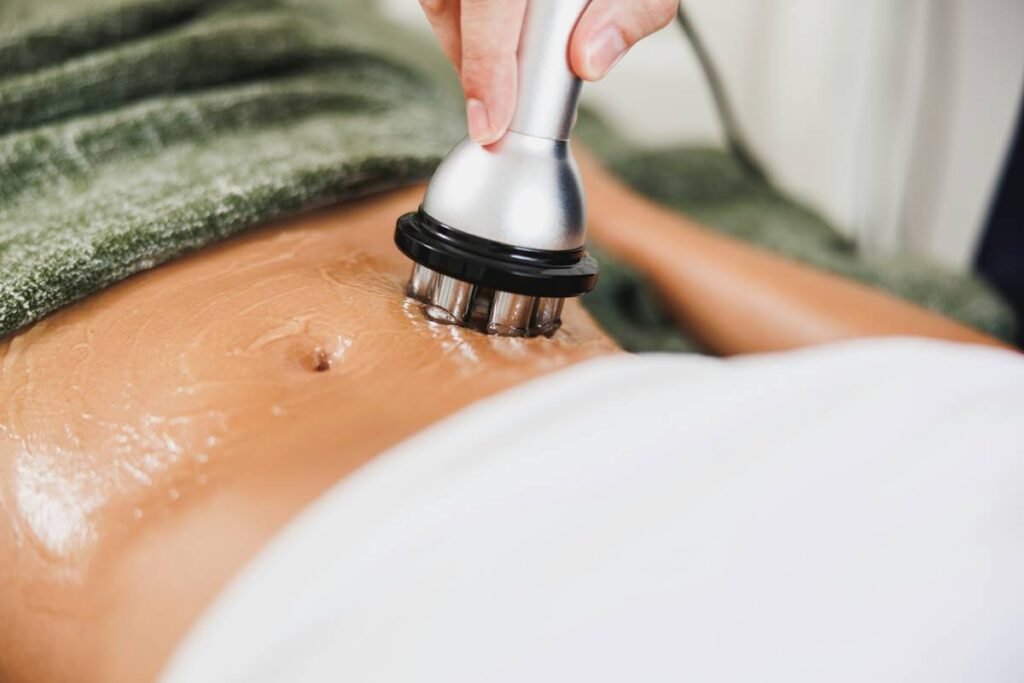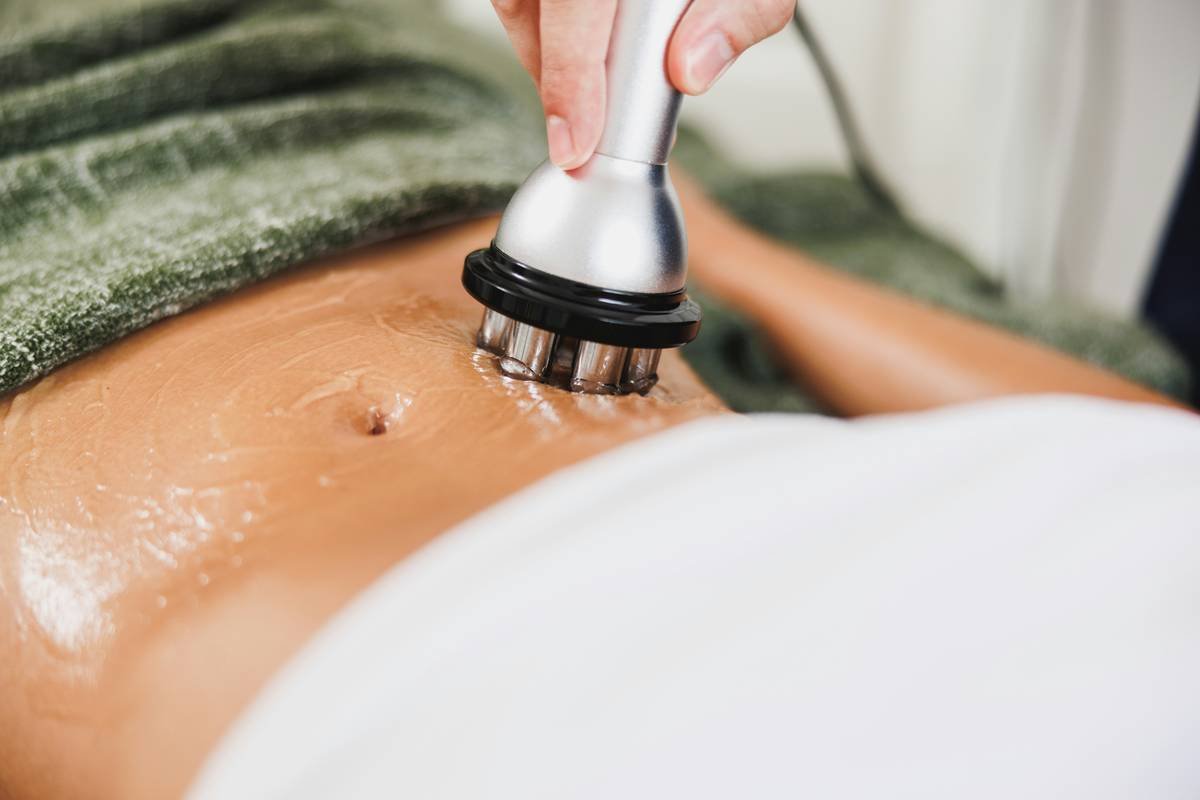
Ever stood in front of the mirror after weeks of clean eating and relentless squats—only to find that stubborn pocket of fat on your lower abdomen just won’t budge? You’re not alone. In fact, studies show that up to 70% of adults struggle with localized fat deposits resistant to diet and exercise. Enter laser body contouring treatments—a non-invasive solution promising sleeker lines without surgery. But do they deliver?
In this guide, written by a certified esthetician with over a decade of clinical experience in body sculpting tech, we’ll cut through the marketing fluff. You’ll learn exactly how laser body contouring works, who it’s best suited for, what realistic results look like (spoiler: no, it’s not magic), and how to avoid wasting hundreds—or thousands—on ineffective sessions. Plus: real client outcomes, FDA-backed data, and the one “terrible tip” flooding TikTok right now.
Table of Contents
- Key Takeaways
- Why Laser Body Contouring Isn’t a Weight-Loss Solution
- How Laser Body Contouring Treatments Actually Work (Step-by-Step)
- 5 Pro Tips for Maximizing Your Results
- Real-World Case Study: Clients Who Saw Results (And Why)
- FAQ: Laser Body Contouring Treatments
- Conclusion
Key Takeaways
- Laser body contouring targets localized fat, not obesity—it’s for refinement, not weight loss.
- FDA-cleared devices like SculpSure and truSculpt use controlled thermal energy to disrupt fat cells.
- Results take 6–12 weeks to appear as your lymphatic system flushes broken-down fat.
- Hydration, movement, and consistency are non-negotiable for visible outcomes.
- Beware of at-home “laser” gadgets—they lack the power and safety protocols of clinical systems.
Why Laser Body Contouring Isn’t a Weight-Loss Solution
Let’s get brutally honest: if you’re shopping for laser body contouring hoping to drop 20 pounds, you’re setting yourself up for disappointment—and possibly a $2,000 lesson in physics. I learned this the hard way early in my career when a client insisted she wanted “full-body lipo” via laser after gaining 40 pounds post-pregnancy. Despite my warnings, she booked six sessions. Result? Minimal change. Not because the tech failed—but because it was never designed for her goal.
Laser body contouring is FDA-cleared only for individuals near their ideal body weight with stubborn fat pockets—think love handles, bra bulge, or that muffin top that laughs at Pilates. According to the U.S. Food and Drug Administration, these devices work by emitting specific wavelengths (typically 1060–1470 nm) that heat adipose tissue to 42–47°C, triggering apoptosis (programmed cell death) in fat cells—without harming skin, muscle, or nerves.
Optimist Me: “This tech is revolutionary for body sculpting!”
Grumpy Me: “Only if you’ve done the groundwork—like actually losing weight first.”
How Laser Body Contouring Treatments Actually Work (Step-by-Step)
What happens during a session?
A typical in-office treatment lasts 25–45 minutes. A certified technician places applicators on your target area. You’ll feel warmth—sometimes tingling—but modern systems include cooling tech to keep discomfort low (think hot stone massage, not sunburn). No anesthesia. No downtime. You can literally walk out and hit the gym… though I’d advise against it immediately after (more on that later).
What happens after?
Your body doesn’t “melt” fat instantly. Instead, damaged fat cells release lipids into interstitial fluid. Over 6–12 weeks, your lymphatic system clears them out—if you support the process. This is where most clients fail: they skip hydration or sit all day, slowing drainage. I tell every client: “Treat your lymphatics like a lazy river—keep things flowing.”
How many sessions?
Clinical studies (like this 2016 JDD paper) show optimal results at 2–4 sessions spaced 4–6 weeks apart. More isn’t better—over-treating can cause fibrosis or uneven texture.
5 Pro Tips for Maximizing Your Results
- Hydrate like your results depend on it (they do): Aim for half your body weight (lbs) in ounces of water daily. Dehydration = sluggish lymph flow.
- Movement > Intense workouts: Light activity (walking, rebounding) within 24 hours boosts circulation. Skip heavy lifting—it can inflame treated areas.
- Time it right: Avoid scheduling sessions during menstruation. Hormonal shifts increase fluid retention and reduce efficacy.
- Verify device legitimacy: Ask for the FDA 510(k) clearance number. If they hesitate—walk away. Many clinics rebrand RF or ultrasound as “laser.”
- Combine intelligently: Pair with radiofrequency for skin tightening (e.g., Venus Legacy). Fat reduction + laxity = flat, but deflated skin otherwise.
Real-World Case Study: Clients Who Saw Results (And Why)
Meet “Sarah” (name changed), 38, BMI 23. She maintained fitness but hated her post-baby lower belly bulge. After two SculpSure sessions (1060nm diode laser) and strict adherence to hydration + daily walks, she saw a 24% reduction in abdominal fat volume at 10-week follow-up (measured via calipers and circumference tape—yes, old-school, but reliable).
Contrast that with “James,” 45, BMI 31. He skipped water, sat at his desk job 10 hours/day, and expected abs. After three sessions? 5% reduction—barely noticeable. Same device. Same protocol. Different outcomes based on lifestyle support.
The takeaway? Tech is only 50% of the equation. Your habits write the other half.
FAQ: Laser Body Contouring Treatments
Are laser body contouring treatments safe?
Yes—when performed with FDA-cleared devices by trained professionals. Side effects are typically mild (redness, tenderness) and resolve in 24–72 hours. Serious complications (burns, paradoxical adipose hyperplasia) are rare (<0.01%) and often linked to improper technique or contraindicated clients (e.g., active cancer, pacemakers).
How long do results last?
Potentially permanent—if you maintain weight. Fat cells don’t regenerate in adults, so once eliminated, they’re gone. But remaining cells can still expand if you gain weight.
Do at-home laser devices work?
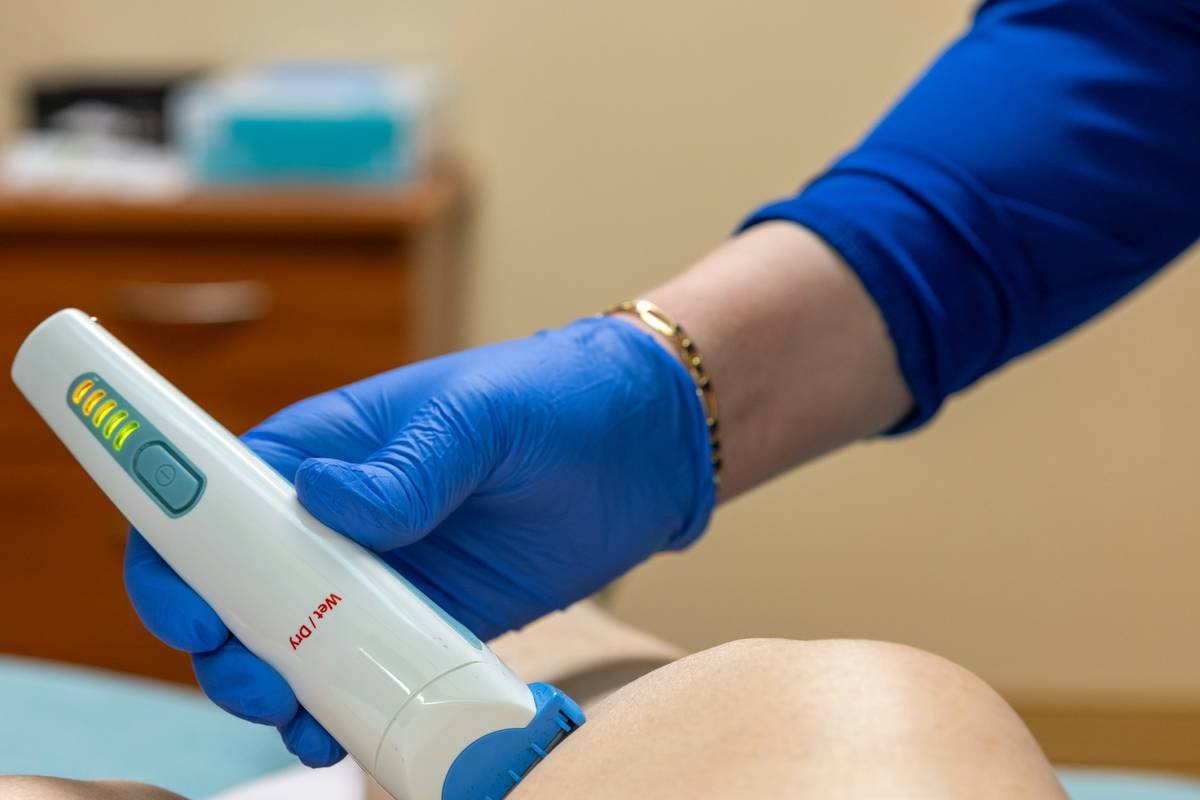
Not like clinical systems. Most emit <5W vs. 50–100W in-office. A 2020 review concluded home devices show “minimal to no significant fat reduction.” Save your money.
Is it painful?
Most describe it as warm pulsing—not pain. Pain indicates overheating; reputable clinics adjust settings in real-time.
Conclusion
Laser body contouring treatments aren’t a shortcut—but they’re a powerful tool for refining your silhouette when used correctly. Think of them as the final polish on a sculpture you’ve already carved through healthy living. Choose a credentialed provider, manage expectations, and commit to post-care. Done right, you’ll see gradual, natural-looking definition that lasts.
And please—for the love of smooth skin—avoid that viral TikTok hack claiming you can “DIY laser lipo with a $50 Amazon gadget.” Your fat cells (and bank account) will thank you.
Like a 2000s flip phone—some things are cool, but only if they actually work.