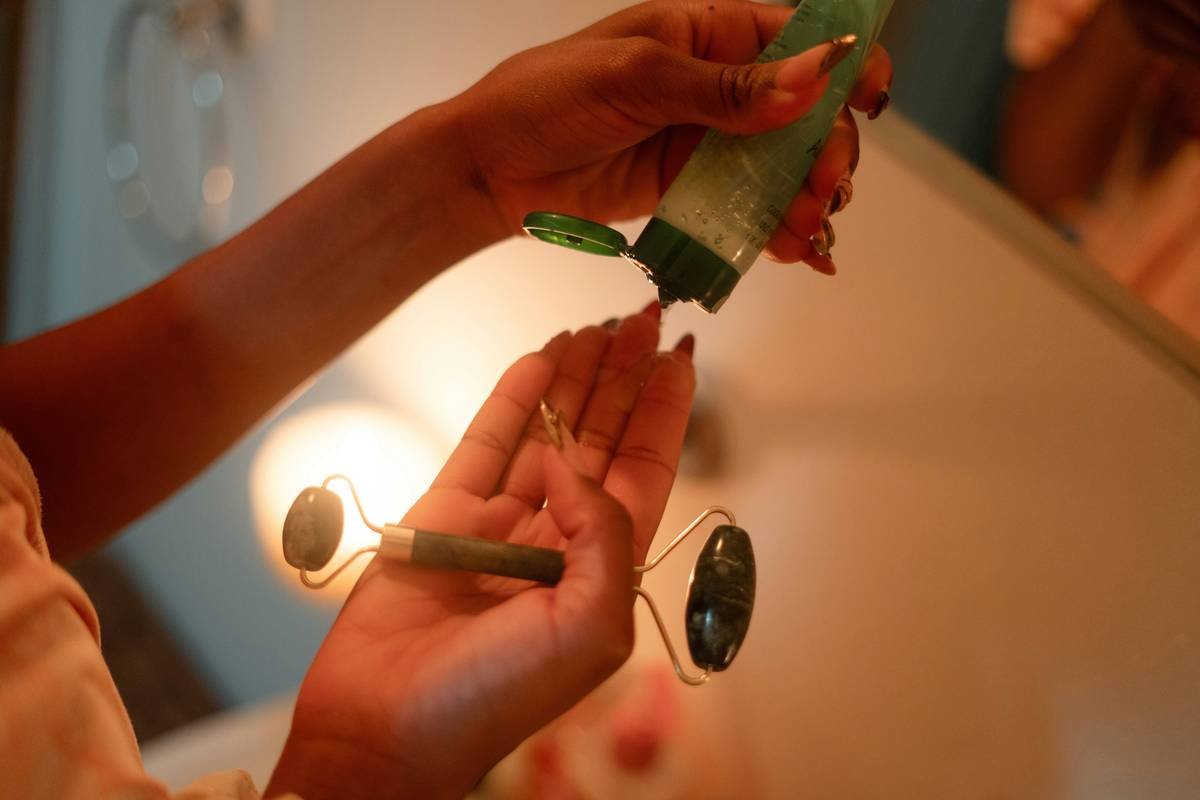
You’ve tried the creams. You’ve booked the facials. Yet, your jawline still lacks definition, and that subtle sag around your cheeks refuses to budge. It’s frustrating—especially when influencers swear by “miracle” gadgets that cost hundreds but deliver little more than placebo. Here’s the hard truth: most facial tools to tighten skin are engineered for aesthetics, not anatomy. But a select few? They work—if you know how to use them correctly.
Why Most At-Home Skin Tightening Tools Fail (Even the Expensive Ones)
Brands sell you rollers, gua sha stones, and microcurrent wands with promises of surgical-like results. But biology doesn’t bend to marketing. Skin laxity stems from collagen degradation, weakened elastin fibers, and compromised fascia—not surface-level puffiness. A jade roller might feel luxurious, but it won’t rebuild structural support. And those vibrating “toning” devices? Often just sensory tricks with zero biomechanical impact.
Worse, improper technique can stretch delicate facial tissue over time—accelerating the very sagging you’re trying to fix.
How to Actually Use Facial Tools to Tighten Skin (Step-by-Step Protocol)
Forget random gliding. Effective contouring requires precision, directionality, and consistency. Below is a practitioner-tested routine based on myofascial release principles—not spa folklore.
Step 1: Prep with Clean, Dry Skin + Light Oil
Cleanse thoroughly. Apply 2–3 drops of non-comedogenic oil (grapeseed or squalane). Never drag tools across dry or damp skin—that creates friction damage.
Step 2: Target Lymphatic Drainage First
Start at the collarbone. Use light pressure to trace upward along neck sides toward ears. This clears fluid buildup that mimics sagging. Do this 3x per session before moving upward.
Step 3: Lift Along Fascial Planes—Not Random Paths
Skin isn’t loose fabric—it’s anchored in fibrous networks. Your tool must follow these natural vectors: jawline → earlobe; cheek hollow → temple; brow ridge → hairline. Always move upward and outward. Never downward.
Step 4: Frequency Over Force
Consistency beats intensity. Four minutes daily outperforms a weekly 20-minute marathon. Micro-stimuli build cumulative collagen response.
| Tool Type | Mechanism | Realistic Results Timeline | Risk of Misuse |
|---|---|---|---|
| Stainless Steel Gua Sha | Myofascial release + lymphatic drainage | 4–6 weeks (with daily use) | Medium (if pressed too hard) |
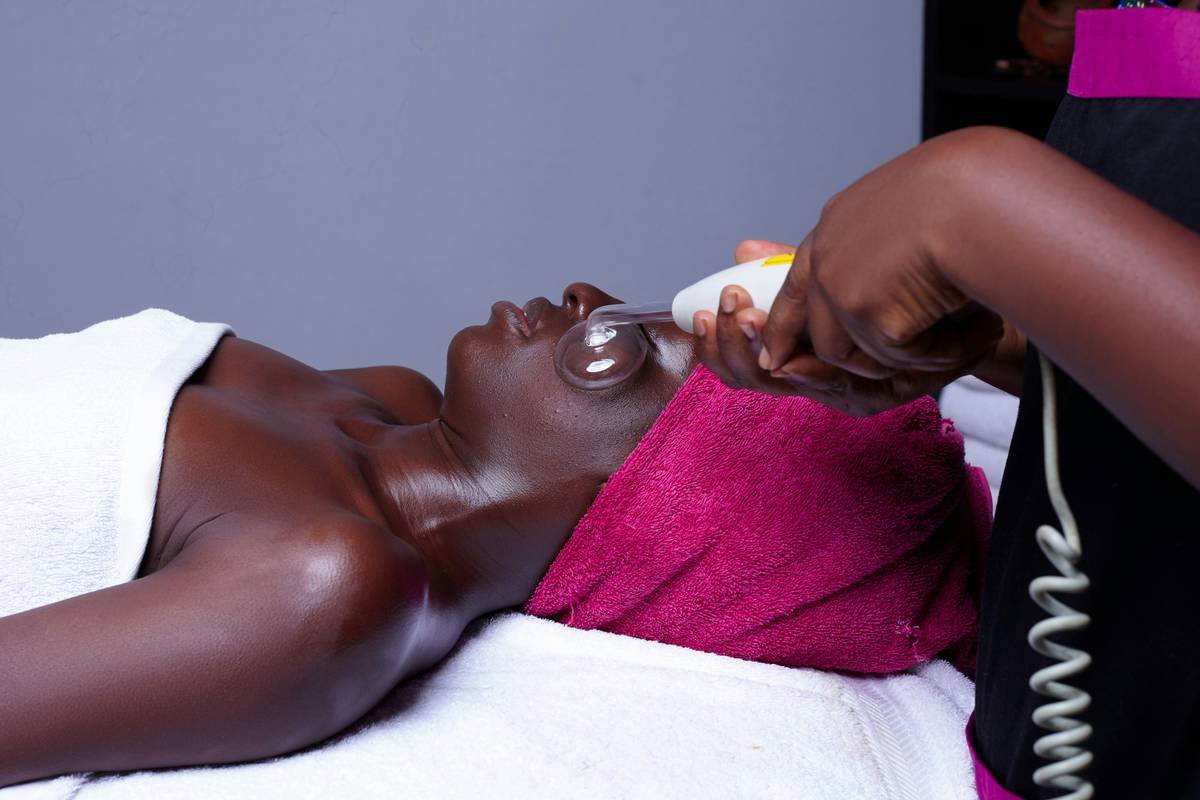
| Microcurrent Wand | ATP stimulation for temporary muscle lift | Immediate but fades in 24–48 hrs | Low (if used as directed) |
| Rose Quartz Roller | Cooling + mild de-puffing | Temporary only (under 2 hrs) | Very low |
| Radiofrequency (RF) Device | Deep dermal heating for collagen remodeling | 8–12 weeks | High (burn risk if misused) |
The Industry Secret: Your Neck Holds the Key
Here’s what no brand will admit: tightening the face alone is futile if you ignore the platysma muscle—the broad sheet running from chin to sternum. When this muscle sags, it drags everything above it down like a collapsing curtain. I’ve seen clients reverse early jowling simply by adding 60 seconds of targeted neck work to their routine. Use a firm gua sha edge (not a roller!) to gently scrape from clavicle up to mandible, three times nightly. Pair this with chin tucks during screen time. The synergy is startling—because you’re addressing the root lever, not just the symptom.
And yes—most “facial” tools aren’t designed for the neck. That’s intentional. Neck-compatible tools cut into premium device sales. Don’t fall for it.
Frequently Asked Questions
Do facial tools permanently tighten skin?
No tool delivers permanent results without maintenance. However, consistent use of RF or proper gua sha can stimulate lasting collagen changes—visible for months after stopping.
How often should I use skin tightening tools?
Daily for lymphatic tools (gua sha/rollers). 2–3x/week for energy-based devices (microcurrent/RF) to avoid overstimulation.
Can I use these tools if I have acne?
Avoid active breakouts. Tools can spread bacteria or inflame lesions. Stick to clean, non-irritated zones only.