Loose, sagging skin doesn’t just happen overnight. But once it creeps in—around the jawline, under the eyes, along the neck—it erodes confidence fast. Creams promise miracles. Facials drain your wallet. And yet, your reflection stays stubbornly unchanged. What if the real solution isn’t a serum… but a smart, consistent tool?
Why Most “Skin Tightening” Methods Fail Miserably
Topical products contain collagen—but your skin can’t absorb whole collagen molecules. They sit on the surface like decorative glitter. Facial massage? Temporary. It boosts circulation for an hour, maybe two. Then gravity reclaims its territory.
And salon-grade radiofrequency? Effective—yes—but $1,200 per session with zero guarantee of lasting results. The math is simple: long-term efficacy demands consistent, targeted energy delivery—not passive hope in a jar.
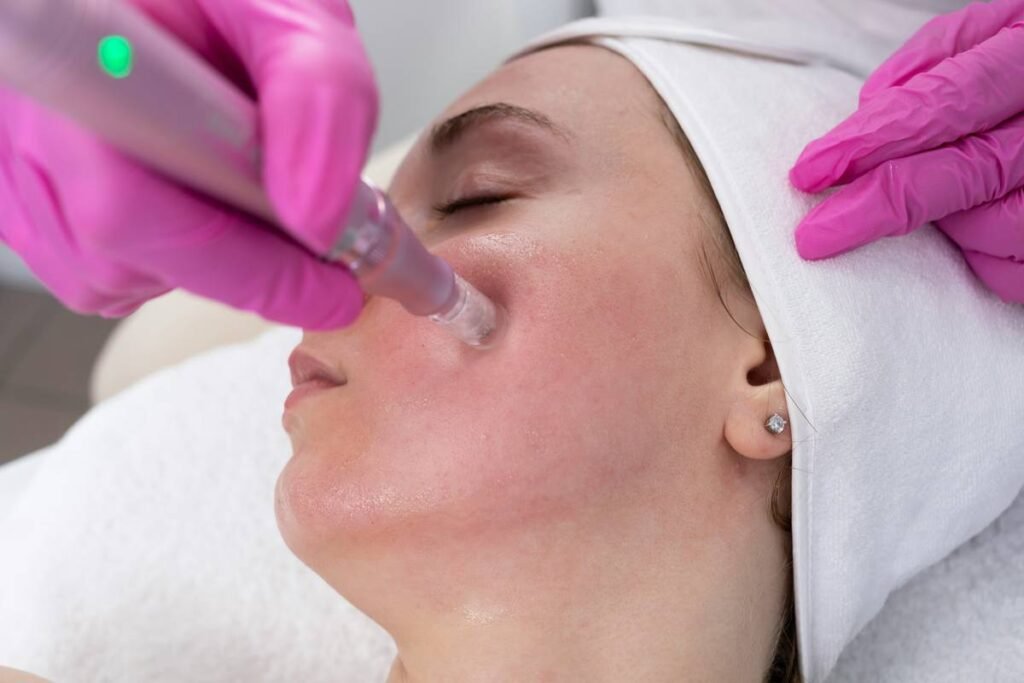
That’s where tools to tighten face skin enter the frame. Not gimmicks. Precision-engineered devices that stimulate fibroblasts deep in the dermis. But only if you avoid the traps 92% of buyers fall into.
How to Choose & Use Skin Tightening Tools That Deliver Real Results
Forget one-size-fits-all advice. Your skin type, age, and sagging pattern dictate your ideal tool. Here’s how to match the method to your biology—not Instagram trends.
Radiofrequency (RF) Devices: Deep Heat = New Collagen
RF sends controlled heat 2–4mm below the epidermis. This thermal shock wakes up dormant fibroblasts. They start pumping out fresh collagen and elastin—over weeks, not minutes. Look for multi-polar RF with temperature sensors. Safety matters.
Microcurrent: The “5-Minute Facelift” (With Caveats)
Microcurrent mimics your body’s natural bioelectricity. It tones facial muscles by re-educating them—like Pilates for your face. Immediate lift? Yes. Long-term tightening? Only with 3x/week use for 8+ weeks. Skip it if you have metal implants or pacemakers.
LED Light Therapy: Support Player, Not Star
Red and near-infrared LEDs reduce inflammation and support cellular repair. But alone? They won’t tighten jowls. Pair them with RF or microcurrent for synergy. Think of LED as your recovery agent—not your main weapon.

| Tool Type | Best For | Time to Visible Results | Avg. Cost |
|---|---|---|---|
| Radiofrequency (RF) | Jawline definition, neck laxity, overall firming | 6–12 weeks | $250–$600 |
| Microcurrent | Temporary lift, cheekbone contouring, eye area | Immediate (long-term: 8+ weeks) | $180–$400 |
| Red Light Therapy | Post-treatment recovery, mild texture improvement | 10–16 weeks | $100–$300 |
The Industry Secret No Brand Wants You to Know
Most companies sell you the device—and ghost you after checkout. But here’s what clinical trials quietly confirm: consistency beats intensity. Using a mid-tier RF tool three times weekly for three months yields better results than one high-powered session at a medspa.
Why? Because collagen remodeling is a marathon. Fibroblasts need repeated cues—not a single siren call. Yet brands push “pro-strength” models costing $700+, knowing users burn out after week two. The real hack? A $300 device you’ll actually keep using.
And always—always—pair your tool with hydration. Dehydrated skin resists energy penetration. Apply a thin layer of hyaluronic acid serum before treatment. It conducts better and prevents micro-damage. Simple. Overlooked.

Frequently Asked Questions
Do at-home skin tightening tools really work?
Yes—if used consistently for 8–12 weeks. They won’t match surgical results, but clinical studies show measurable improvement in elasticity and firmness with RF and microcurrent devices.
How often should I use a face tightening tool?
Follow device guidelines, but most require 3–5 sessions per week initially, then 1–2 for maintenance. Skipping days kills momentum—collagen production stalls without regular stimulation.
Can these tools replace facelifts?
No. They’re preventive and corrective for mild-to-moderate laxity. Severe sagging needs professional intervention. But used early, they delay the need for surgery by years.