You step on the scale. The number’s down—but your jeans still pinch. You grab your body fat percentage tool, confident it’ll reveal progress. Instead, it spits out a figure that contradicts everything you feel in the mirror. Frustrating? Absolutely. Misleading? Often.
The Myth of Precision in Home Body Fat Testing
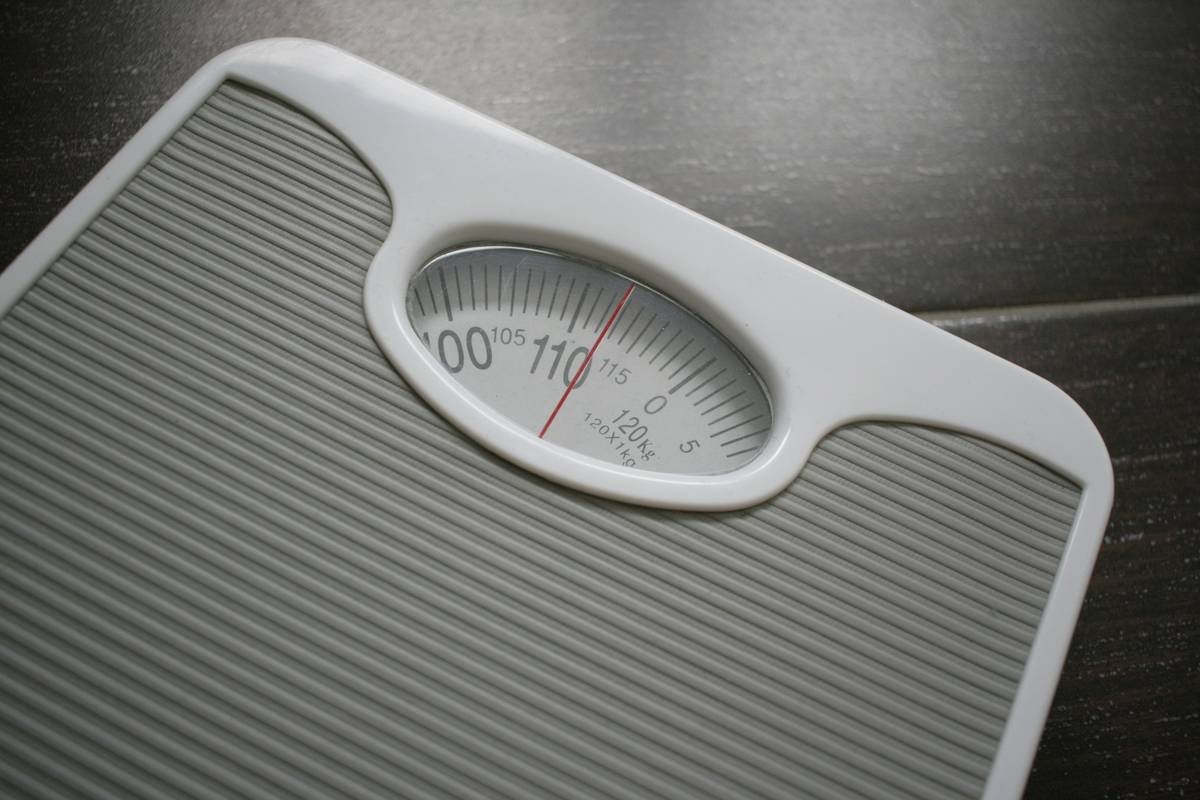
Most consumer-grade devices—BIA scales, caliper apps, even some handheld scanners—promise lab-grade accuracy. They don’t deliver. Why? Because they rely on electrical impedance or skinfold assumptions that ignore your hydration status, hormonal fluctuations, or even the time of day. A 5% swing isn’t uncommon between morning and night. And that “ideal” body fat range plastered online? It’s based on population averages—not your physiology.
Here’s the reality: no at-home body fat percentage tool can replace clinical DEXA or hydrostatic weighing. But that doesn’t mean you’re stuck guessing.
How to Track Real Fat Loss Without Falling for Gimmicks
Start with Consistency, Not Perfection
Pick one method—and stick to it under identical conditions. Same time. Same hydration. Same device. Trends matter more than single data points. If your body fat percentage tool shows 24% Monday and 22% four weeks later under identical protocols, that’s meaningful—even if the absolute number is off.
Layer in Visual & Functional Metrics
Take monthly progress photos in consistent lighting. Note how your clothes fit. Track performance—can you hold a plank longer? Walk farther without fatigue? These are real-world signals algorithms can’t fake.
Compare Your Options Honestly
| Method | Average Cost | Accuracy Range | Best For |
|---|---|---|---|
| BIA Smart Scales | $30–$150 | ±5–8% | Trend tracking (with strict protocol) |
| Skinfold Calipers | $10–$40 | ±3–5% (with trained user) | Those willing to learn technique |
| DEXA Scan | $100–$250/session | ±1–2% | Clinical baseline or serious athletes |
| Visual + Tape Measure | $0 | N/A | Immediate, intuitive feedback |
The Industry Secret No One Admits
Top aesthetic clinics rarely use BIA for client assessments anymore. Why? Because clients fixate on the number—not the contour. Instead, they combine 3D body scanning with manual palpation and photo mapping. But here’s what they won’t tell you: fat distribution matters more than total percentage. Two people with 28% body fat can look wildly different based on where that fat sits—visceral vs. subcutaneous, android vs. gynoid. Home tools can’t distinguish this. So stop chasing a magic number. Chase shape change.
Frequently Asked Questions
Can a body fat percentage tool replace weighing myself?
Not really. Use both—but interpret the body fat percentage tool as a trend indicator, not a diagnostic device.
Why does my body fat reading jump after a workout?
Sweating dehydrates you. BIA devices mistake low water content for high fat. Always test pre-workout and well-hydrated.
Are expensive body fat tools worth it?
Only if they enforce consistency. A $200 scale used haphazardly gives worse data than a $30 one used rigorously.